
Sustainable Sachet Packaging Trends & Insights | Industrial Equipment Expert
Sustainable Sachet Packaging: What I've Learned in the Industrial Trenches
Having spent well over a decade dealing with industrial packaging equipment, I’ve seen plenty of trends come and go. But sustainable sachet packaging? That’s something that’s sticking around with good reason. It feels like the industry is finally reckoning with the environmental impact of those tiny packets we often overlook — from single-serve coffee to personal care samples.
Now, I suppose you might wonder why sachets, something so small and seemingly insignificant, deserve such attention. The truth is, their sheer volume adds up. Billions are produced every year worldwide, traditionally made from multi-layer plastics that resist recycling. Sustainable sachet packaging offers a tangible, scalable way to reduce plastic waste without compromising on shelf life or product integrity.
From my experience, the journey to sustainability always means balancing environmental goals with what’s physically and economically feasible on the factory floor. It’s one thing to want a 100% compostable sachet, quite another to ensure it passes rigorous testing for durability, puncture resistance, and compatibility with high-speed packaging lines.
That brings us to materials. Some suppliers now provide bio-based films that decompose under industrial composting conditions, while others focus on mono-material laminates designed for easier recycling. These options differ quite a bit in cost and performance, so you have to pick carefully. Frankly, it’s like walking a tightrope between innovation and reliability.
| Specification | Detail |
|---|---|
| Material Type | PLA bio-based film, Mono-polyethylene, Paper laminates |
| Thickness | 25 - 50 microns (varies by application) |
| Seal Strength | 2.5 - 4 N/cm (industry standard) |
| Barrier Properties | Oxygen & Moisture resistant (varies with laminate) |
| Compostability | Industrial compostable options available |
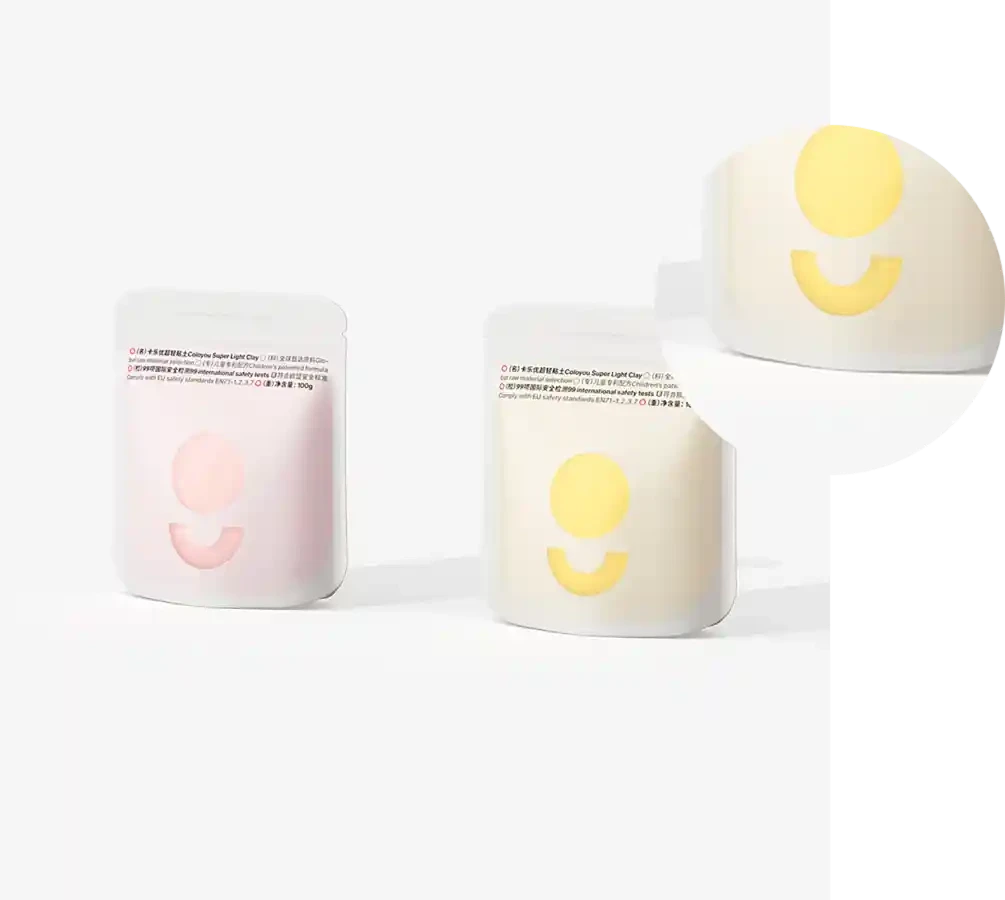
| Customization | Print finishing, sizes from 5ml to 100ml |
One thing I noticed early on is that end-users don’t just want “green” packaging—they want it to look good, function flawlessly, and not cost a fortune. Many engineers I know swear by suppliers who blend sustainable materials smartly to nail these exact points.
Speaking of suppliers, here’s a quick rundown comparing three prominent vendors I came across when searching for sachet packaging solutions last year:
| Vendor | Material Options | Pricing | Customization | Minimum Order |
|---|---|---|---|---|
| DSL Pack (link) | PLA film, Mono PE, Paper laminate | Mid-range; volume discounts | Full print, multiple sizes | 10,000 units |
| EcoPack Solutions | Bio films only | Higher-end | Limited colors | 25,000 units |
| GreenWrap Co. | Paper laminates, PLA blends | Affordable | Basic print only | 5,000 units |
I’ve worked with DSL Pack on several projects, and odd as it sounds for the packaging game, their responsiveness and willingness to customize have made a real difference. One client of mine, a small cosmetics brand, switched to sustainable sachets through DSL. They told me sales improved partly because the new packaging felt more premium and aligned with their eco-conscious messaging — not just a marketing gimmick.
Testing is another crucial step that many overlook until too late. We ran several durability and shelf-life tests with the sustainable sachets before approving for mass production. They stood up well against moisture and oxygen — critical since this packaging often holds sensitive powders or liquid gels. It really reinforced my belief that green packaging doesn’t need to be fragile or unreliable.
Honestly, the future looks promising. With advancements in biodegradable polymers and improvements in recycling infrastructure, sustainable sachet packaging could well become the norm rather than the exception. You know, it’s still a work-in-progress, but the momentum is undeniable.
In real terms, companies investing early in sustainable sachet solutions not only reduce their carbon footprint but often discover cost savings down the line — from reduced material weight to better consumer perception. So it’s a win-win, if executed thoughtfully.
Would I recommend sustainable sachet packaging? Absolutely, but don’t underestimate the planning and testing required. And yes, having a reliable partner like DSL Pack makes all the difference.
So next time you grab that little sachet, maybe give it a second thought—there's a whole evolution behind that tiny package.
References:
1. Sustainable Packaging Coalition – Industry Trends
2. Journal of Industrial Packaging – Case Studies in Eco-design
3. DSL Pack Product Literature and Customer Feedback


- No. 6 Hefu Road, Hengjiang Industrial Zone, Gaoming District, Foshan, Guangdong Province,China
- Tel: 86-133 3649 8096
- Email:enid@bc-pak.com
-


