
Sustainable Solutions with Recycled Retail Packaging for Your Business
Recycled Retail Packaging: A Sustainable Solution for Your Business
In today's environmentally conscious market, sustainable packaging is no longer a luxury – it's a necessity. Consumers are increasingly demanding eco-friendly options, and businesses are responding. Recycled retail packaging offers a compelling solution, reducing environmental impact and enhancing brand image. This article will explore the benefits, types, and considerations for incorporating recycled packaging into your retail strategy. Choosing the right packaging can be a significant step towards corporate social responsibility and attracting environmentally aware customers.
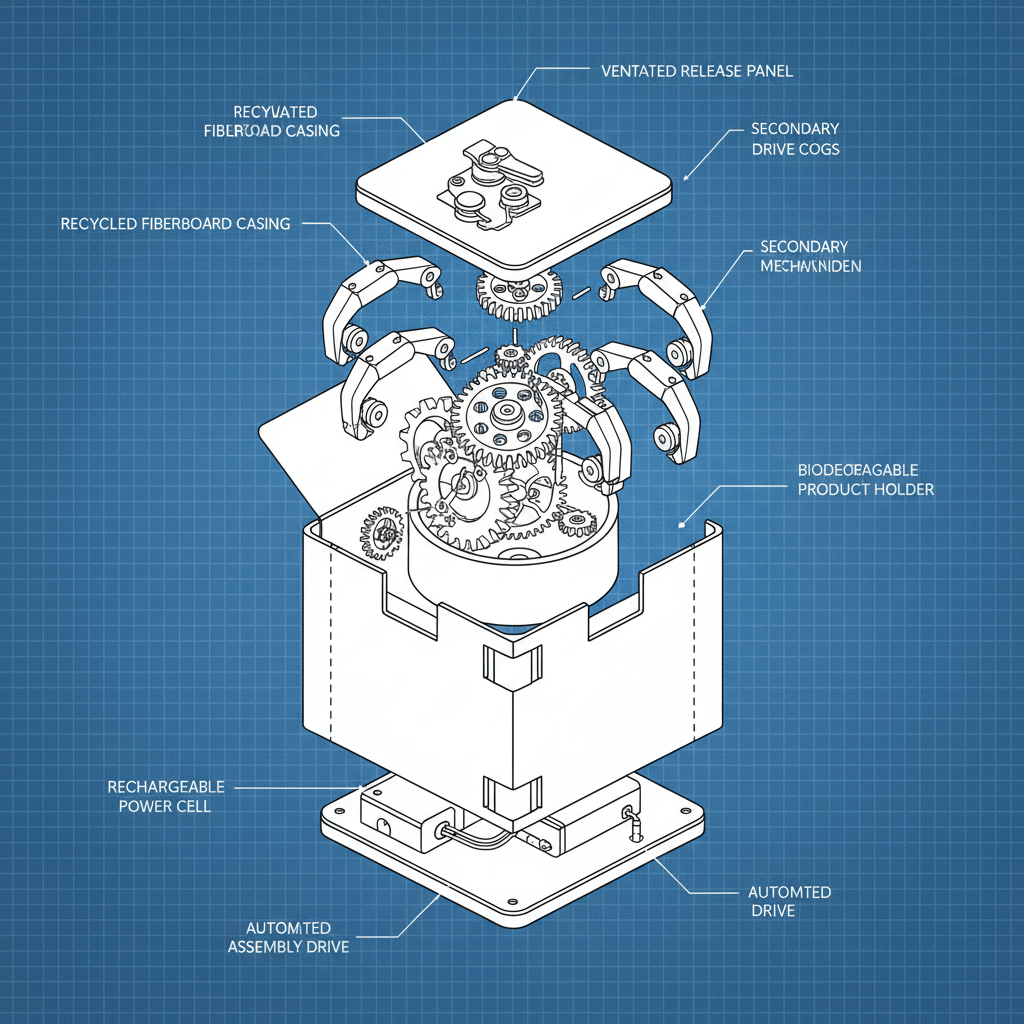
The Growing Demand for Sustainable Packaging
The demand for sustainable packaging is surging, driven by consumer awareness and stricter environmental regulations. A recent study found that 73% of consumers are willing to pay more for sustainable packaging. This demonstrates a clear market trend towards eco-friendly options. Businesses that embrace sustainable practices are not only reducing their environmental footprint but also gaining a competitive advantage. DSL Pack specializes in providing innovative and sustainable packaging solutions tailored to meet the evolving needs of retailers.
Key Benefits: Reduced environmental impact, enhanced brand image, increased customer loyalty, potential cost savings, and compliance with regulations.
Types of Recycled Retail Packaging
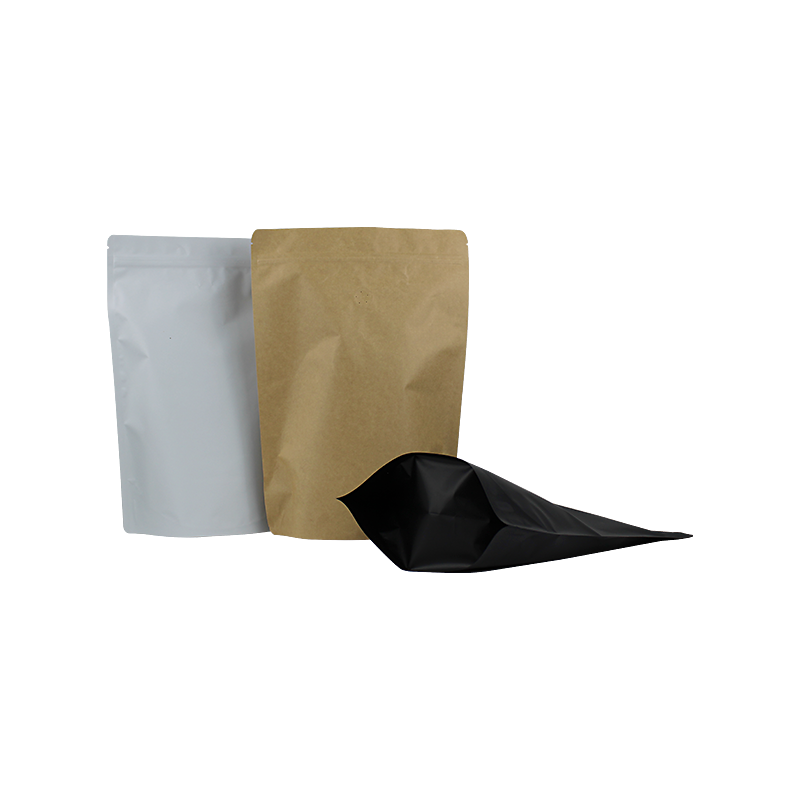
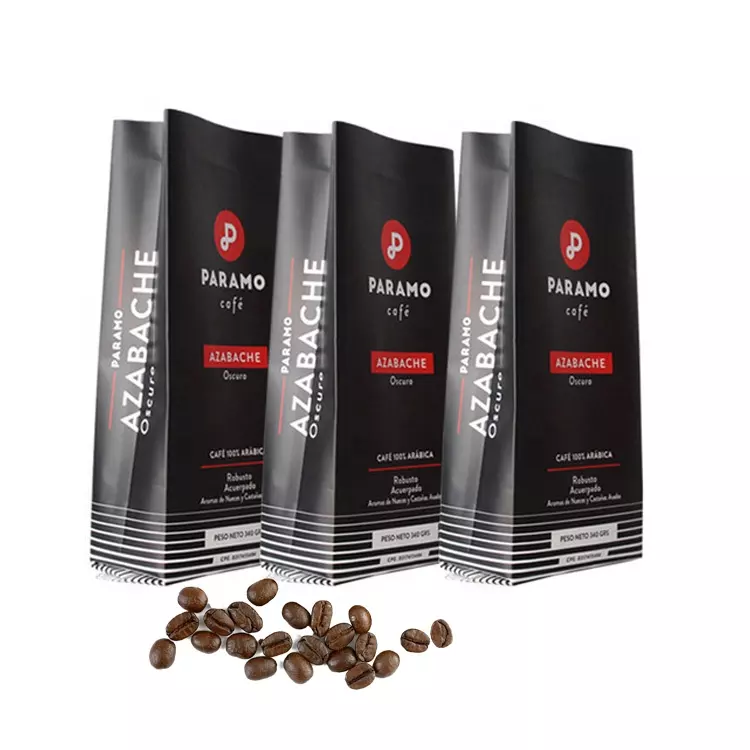
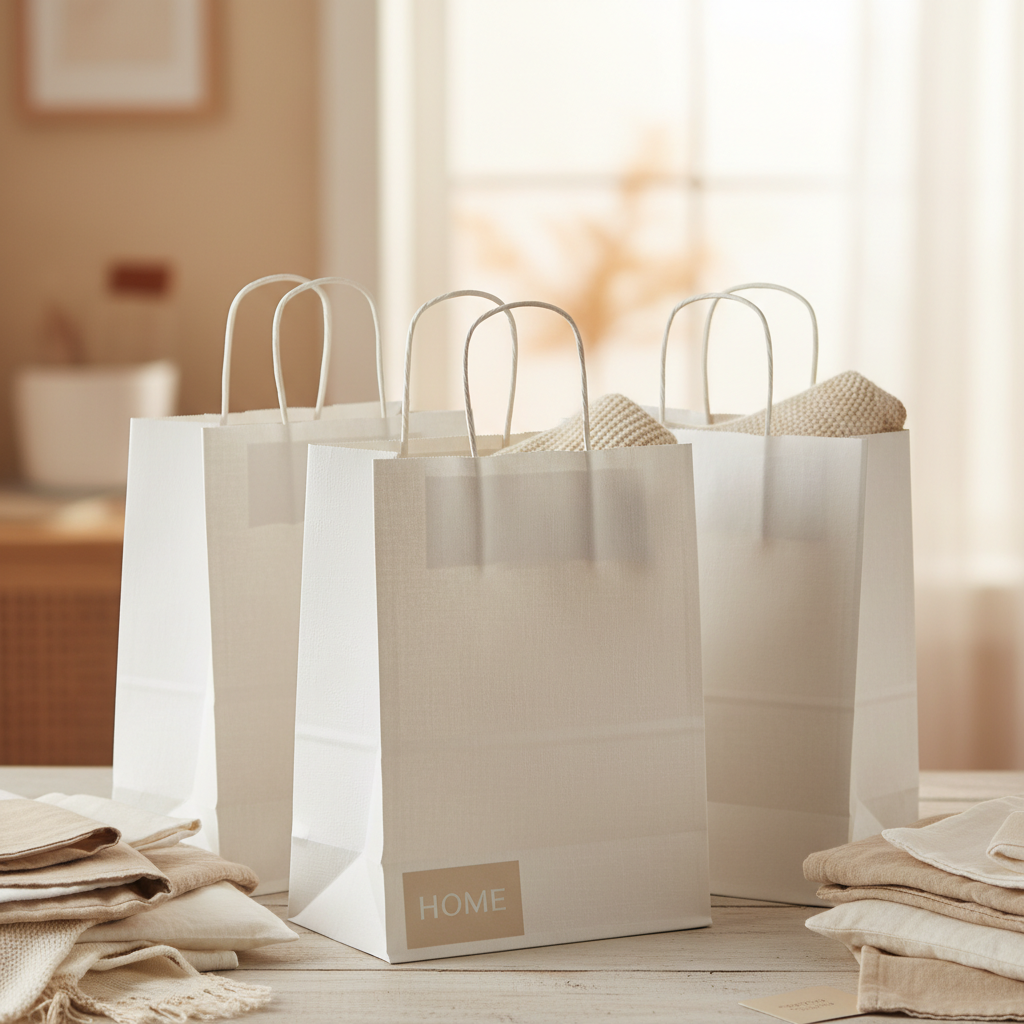
Several types of recycled retail packaging are available, each with its own advantages. These include recycled cardboard boxes, recycled plastic containers, recycled paper bags, and molded pulp packaging. The choice of material depends on the product being packaged, shipping requirements, and branding considerations. Recycled cardboard is a versatile and widely used option, ideal for shipping and general retail. Recycled plastics are suitable for durable goods and offer good protection. DSL Pack offers a diverse range of recycled packaging materials to suit various retail applications.
Common Recycled Packaging Materials:
• Recycled Cardboard (Boxes, inserts)
• Recycled Plastic (Bottles, containers)
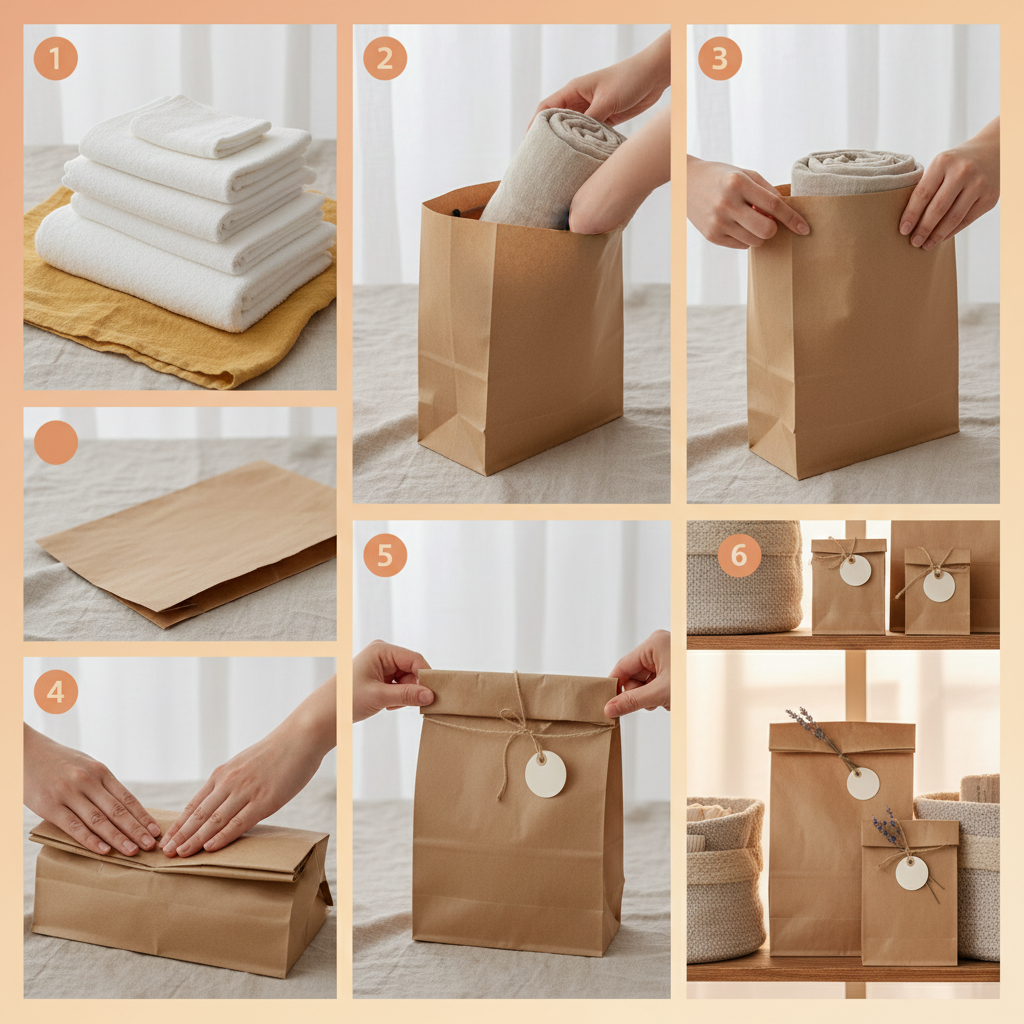
• Recycled Paper (Bags, wrapping)
• Molded Pulp (Protective cushioning)
Recycled vs. Virgin Packaging: A Cost and Environmental Comparison
While virgin packaging may sometimes appear cheaper upfront, considering the long-term environmental and brand-related costs often makes recycled packaging a more advantageous choice. Recycled materials require less energy to produce, reducing carbon emissions and conserving natural resources. Here's a comparison table outlining the key differences:
Choosing the Right Partner for Recycled Retail Packaging
Selecting a reliable packaging partner is crucial for a successful transition to recycled materials. Look for a supplier with experience in sustainable packaging, a commitment to quality, and a diverse product range. DSL Pack offers a comprehensive suite of services, including custom design, sourcing of recycled materials, and efficient logistics. We work closely with our clients to develop tailored packaging solutions that meet their specific needs and sustainability goals.
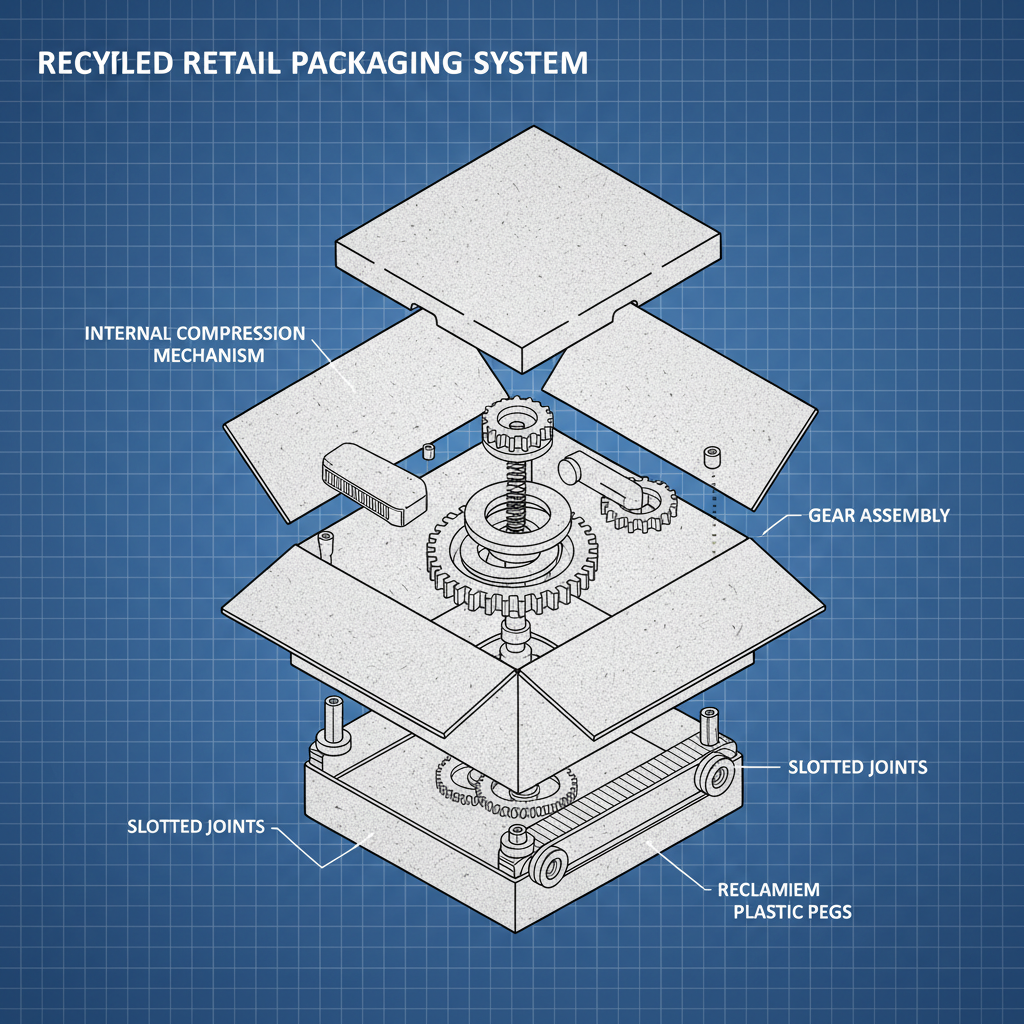
Considerations When Implementing Recycled Packaging
Implementing recycled packaging requires careful planning. Ensure the recycled materials meet your product's protection requirements. Verify the supplier's certifications and traceability of the recycled content. Communicate your sustainability efforts to customers through clear labeling and marketing materials. Educating consumers about the benefits of recycled packaging can further enhance your brand image and drive sales. Remember to factor in any potential adjustments to your packaging process and equipment. DSL Pack provides expert guidance and support throughout the implementation process.
Conclusion: A Sustainable Future with Recycled Packaging
Embracing recycled retail packaging is a smart business decision that benefits both the environment and your bottom line. It demonstrates a commitment to sustainability, enhances brand reputation, and appeals to environmentally conscious consumers. With the right partner, such as DSL Pack, transitioning to recycled packaging can be a seamless and rewarding experience.
Frequently Asked Questions (FAQs)
What percentage of recycled content is typically found in recycled retail packaging?
The percentage of recycled content varies depending on the material and supplier. However, many recycled packaging options contain between 30% and 100% post-consumer recycled content. Post-consumer recycled content refers to materials that have been used by consumers and then recycled. DSL Pack offers options with varying levels of recycled content to meet different budget and sustainability goals. It’s important to verify the percentage of recycled content with your supplier to ensure it aligns with your expectations and marketing claims.
Is recycled packaging as durable as virgin packaging?
Generally, yes. Modern recycling processes produce materials that are comparable in strength and durability to virgin materials. The specific durability depends on the type of material and the manufacturing process. High-quality recycled cardboard and plastic, for example, can provide excellent protection during shipping and handling. DSL Pack ensures all our recycled packaging meets stringent quality standards to guarantee performance.
Can recycled packaging be customized with my branding?
Absolutely! Recycled packaging can be fully customized with your brand logo, colors, and messaging. Printing techniques such as flexography and digital printing can be used to create attractive and impactful branding on recycled materials. DSL Pack offers a range of customization options to help you create packaging that reflects your brand identity and communicates your commitment to sustainability.
Are there any certifications to look for when sourcing recycled packaging?
Yes, several certifications verify the recycled content and sustainable sourcing of packaging materials. Common certifications include the Forest Stewardship Council (FSC) for paper-based packaging, the Recycled Content Certification (RCC) and the Sustainable Forestry Initiative (SFI). These certifications provide assurance that the packaging meets recognized environmental standards. DSL Pack prioritizes working with suppliers who hold these certifications, ensuring transparency and credibility.



- No. 6 Hefu Road, Hengjiang Industrial Zone, Gaoming District, Foshan, Guangdong Province,China
- Tel: 86-133 3649 8096
- Email:enid@bc-pak.com
-


