
Types of Food Packaging: Durable, Eco-Friendly, Custom
The Real-World Guide to Modern Food Packaging (from factory floors to retail aisles)
After a decade of walking production lines and poking at seal testers, I’ve learned that types of food packaging evolve faster than most brands can update their spec sheets. Stand-up pouches, especially for tea, snacks, and pet treats, quietly won the shelf over the last five years. Why? They look good, protect better, and ship cheaper. Simple as that—well, mostly.
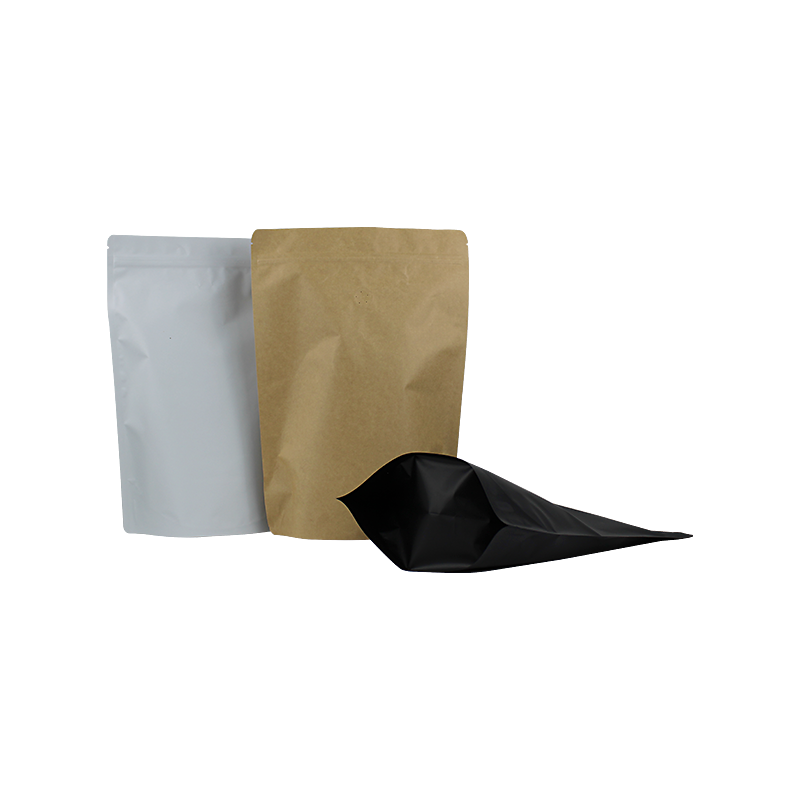
Why stand-up pouches keep winning
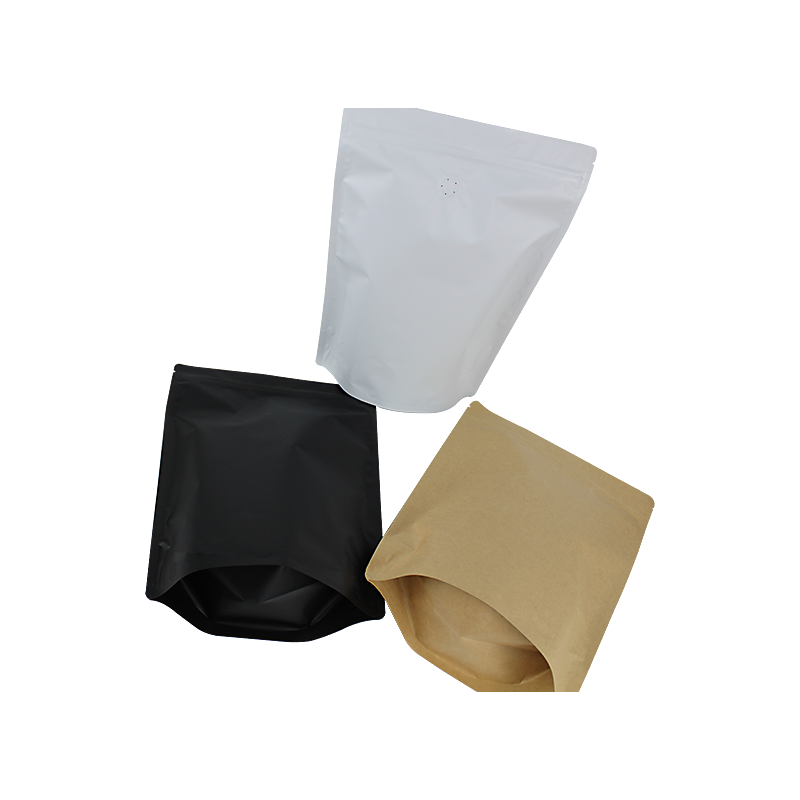
Consumers like the pantry-friendly footprint; operations teams like consistent seals; finance loves the freight savings. The Tea/Snacks/Pet Food Stand Up Pouch (Item No. 00095) combines MOPP for print quality, VMPET or AL for barrier, and PE for heat sealing. It’s food-safe, EU and FDA compliant, and—this matters—actually behaves on most fin-seal or pouch lines without drama.
| Item / Structure | 00095; MOPP/VMPET/PE or MOPP/AL/PE |
| Total thickness | ≈ 90–150 μm (real-world use may vary) |
| Barrier (OTR) | AL: <0.1 cc/m²·day; VMPET: ~0.3–0.8 cc/m²·day (ASTM D3985, 23°C) |
| Barrier (WVTR) | <0.1 g/m²·day (ASTM F1249, 38°C/90% RH) |
| Closure / Sealing | Zipper; good heat sealing performance; seal strength ≥ 7 N/15 mm (ASTM F88) |
| Food safety | Materials in food grade; EU 1935/2004, EU 10/2011; FDA 21 CFR 177 |
| Print & finish | Gravure ≤10 colors; matte/gloss; window/kraft optional |
| Service life | Around 12–24 months depending on fill and storage |
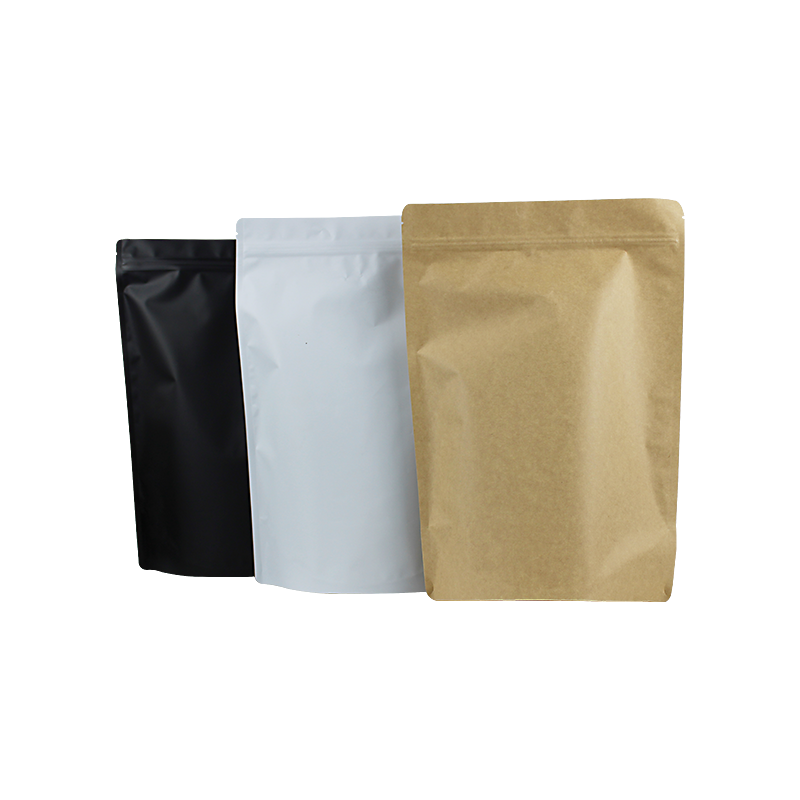
Process flow and testing (the part buyers rarely see)
- Materials: MOPP for print/rigidity; VMPET or AL for oxygen/light barrier; PE sealant.
- Lamination: Typically solventless polyurethane (lower VOCs); cure 24–48h for bond strength.
- Pouch making: Doypack forming, zipper insertion, tear notch, optional hang hole or valve.
- Quality tests: Tensile (ASTM D882), seal strength (ASTM F88), COF (ASTM D1894), OTR/WVTR, and migration per EU 10/2011. I’ve seen plenty of lots fail here, so ask for reports, not promises.
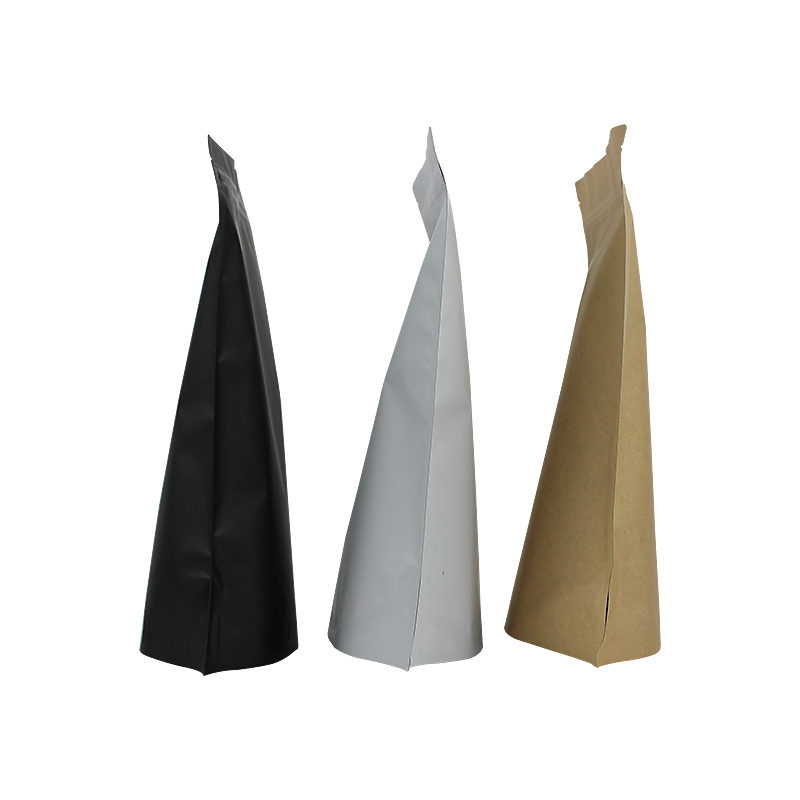
Where it’s used (and why it works)
Tea (aromatics need low OTR), savory snacks (oil rancidity), jerky/pet treats (moisture and odor control), dehydrated fruit, granola, even boutique coffee with a valve. The big advantage over other types of food packaging like rigid tubs is shelf impact and logistics efficiency—pouches cube out better in a master carton.
Customization notes
Common add-ons: clear window, kraft outer, degassing valve, Euro slot, laser scoring for easy-open, soft-touch matte. Many customers say the matte window combo is the sweet spot for premium tea.
| Vendor | MOQ | Lead time | Options / Printing | Sustainability | Test Reports |
|---|---|---|---|---|---|
| DSLPACK (Foshan, China) | ≈10,000 pcs | 15–25 days | Zipper, valve, window; gravure ≤10 colors | Mono-PE / PCR options on request | OTR/WVTR, migration, seal strength |
| Trader A | ≈30,000 pcs | 25–35 days | Basic zipper; limited finishes | Not specified | Partial (on request) |
| Local Converter B | ≈5,000 pcs | 10–20 days | Digital print; fast SKUs, higher unit cost | Paper/PE laminates | Basic COA |
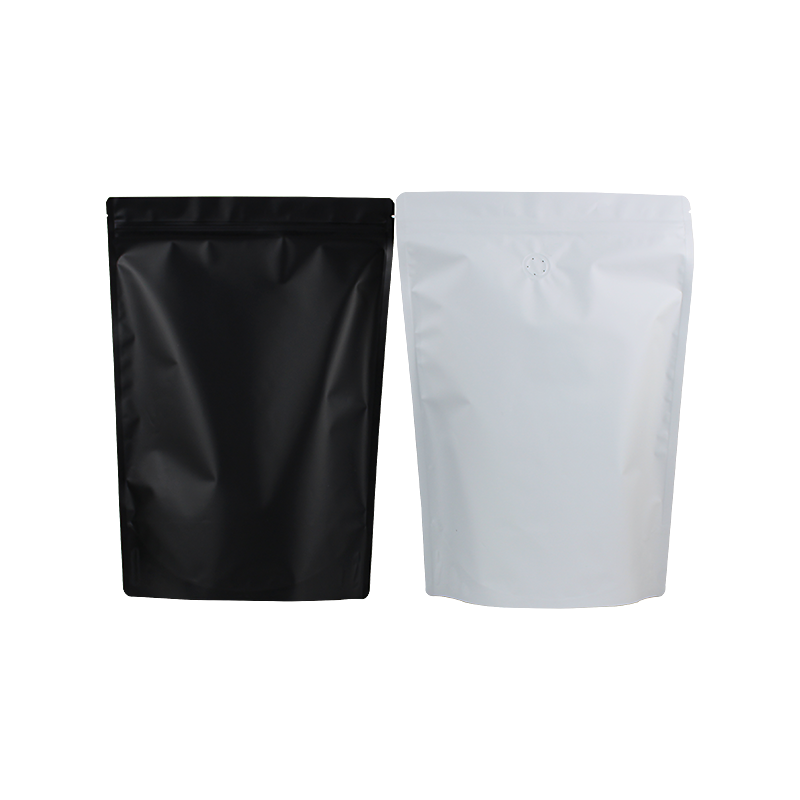
Mini case notes (from my notebook)
Tea brand, EU: Switched from paper/foil tins to stand-up pouches; oxygen ingress dropped to below instrument threshold with AL structure; returns for staling down 28% after two quarters.
Pet treats, US e‑commerce: Zipper plus 120 μm laminate cut punctures during parcel shipping; review snippets mentioned “stays fresh between snack sessions,” which is exactly the point.
Standards, compliance, and a quick address check
Ask for migration results to EU 10/2011 and US FDA 21 CFR; look for seal strength per ASTM F88, and ideally an HACCP/ISO 22000 site. Origin for this pouch line: No. 6 Hefu Road, Hengjiang Industrial Zone, Gaoming District, Foshan, Guangdong Province, China. If you’re weighing other types of food packaging—rigid PET jars, paper canisters—benchmark OTR/WVTR, cube efficiency, and return rates. Numbers beat opinions, every time.
Final thought
To be honest, the best package is the one your product and customers barely notice—quietly protecting, opening cleanly, and looking good at 3 feet. This stand-up pouch checks those boxes without picking a fight with your line operators.
- FDA 21 CFR 177 (Indirect food additives: polymers)
- EU Framework Regulation 1935/2004 (Food contact materials)
- EU 10/2011 (Plastic materials intended to come into contact with food)
- ASTM F88 (Seal Strength of Flexible Barrier Materials)
- ASTM D3985 (Oxygen Gas Transmission Rate)
- ASTM F1249 (Water Vapor Transmission Rate)
- ISO 22000 / HACCP (Food safety management systems)



- No. 6 Hefu Road, Hengjiang Industrial Zone, Gaoming District, Foshan, Guangdong Province,China
- Tel: 86-133 3649 8096
- Email:enid@bc-pak.com
-


