
Achieving Cost Effective Sustainable Packaging For Business Growth
Cost Effective Sustainable Packaging: A Guide for Businesses
In today’s market, consumers are increasingly aware of the environmental impact of their purchases. This heightened awareness is driving demand for sustainable packaging solutions. However, many businesses hesitate to switch, fearing increased costs. This article will explore how to achieve cost effective sustainable packaging, balancing environmental responsibility with budgetary constraints. We’ll delve into material options, design strategies, and sourcing tips to help your business make the right choice.
Understanding the Drivers Behind Sustainable Packaging
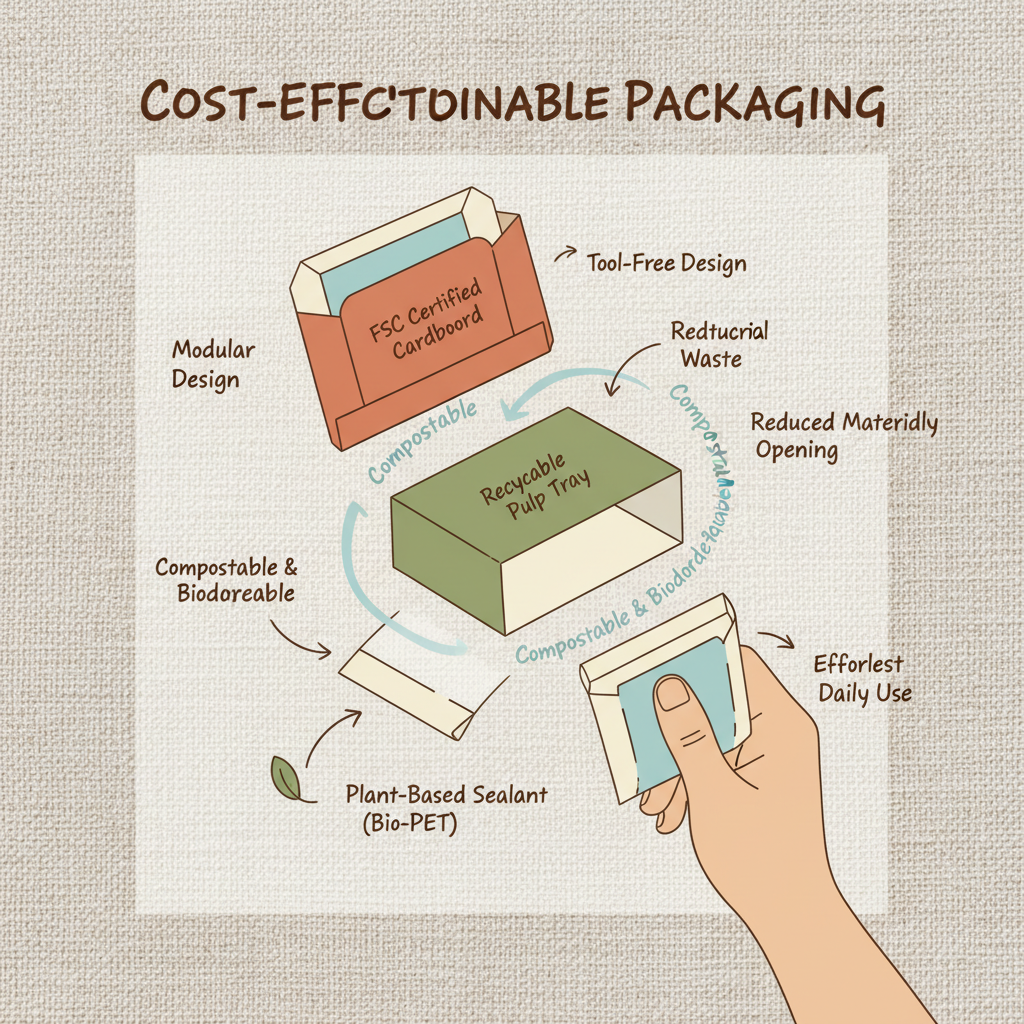
The move towards sustainable packaging isn’t just a trend; it’s a fundamental shift in consumer expectations. Consumers are actively seeking brands that demonstrate a commitment to environmental responsibility. Furthermore, many governments are implementing regulations to reduce packaging waste and promote recycling. This means embracing sustainable packaging can enhance your brand image, attract new customers, and ensure compliance with evolving legal requirements. DSL Packaging can help you navigate these challenges and identify solutions tailored to your specific needs.
Key Benefits: Enhanced brand reputation, increased customer loyalty, regulatory compliance, reduced environmental impact, potential cost savings through material optimization.
Cost Effective Sustainable Packaging Materials
Choosing the right material is crucial for achieving both sustainability and cost-effectiveness. Here’s a comparison of some popular options:
Optimizing Packaging Design for Cost and Sustainability
Beyond material selection, design plays a vital role. Right-sizing your packaging – using only the necessary amount of material – can significantly reduce both costs and environmental impact. Consider minimizing void fill with clever designs or using compostable packing peanuts. Modular designs that allow for reuse of components are also excellent options. DSL Packaging's team of design experts can assist with optimizing your packaging for both efficiency and aesthetics.
Sourcing Sustainable Packaging: Finding the Right Supplier
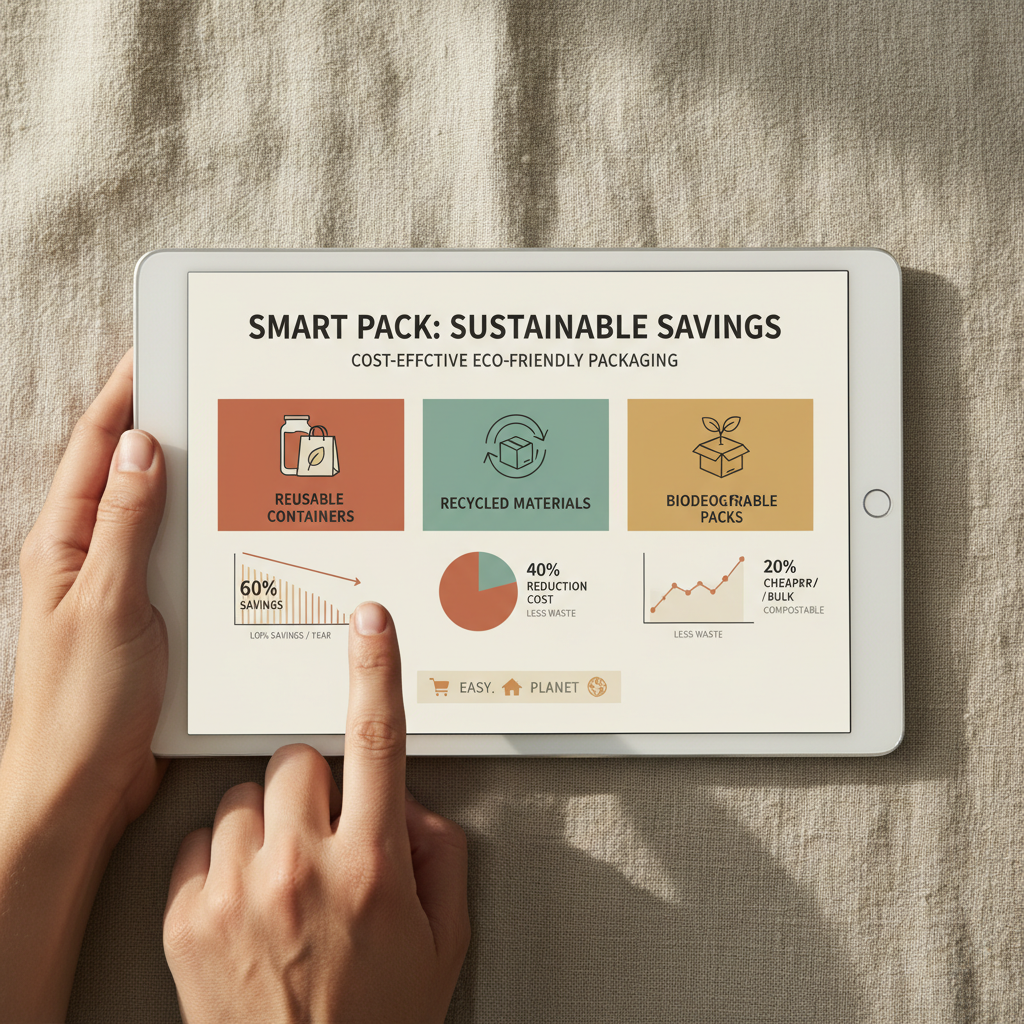
Partnering with a reliable supplier is essential. Look for suppliers that offer certified sustainable materials and demonstrate a commitment to ethical sourcing practices. Consider factors like lead times, minimum order quantities, and shipping costs. Building a long-term relationship with a supplier can often lead to better pricing and more innovative solutions. DSL Packaging specializes in sustainable packaging solutions and offers a wide range of materials and services to meet your specific needs.
The Role of Circular Economy in Sustainable Packaging
Embracing the principles of a circular economy is key to truly sustainable packaging. This means designing packaging for reuse, recyclability, or compostability, and actively participating in systems that recover and repurpose materials. Consider implementing take-back programs for your packaging or partnering with recycling facilities. This shift from a linear “take-make-dispose” model to a circular one will not only reduce environmental impact but also create new business opportunities.
Conclusion: Investing in a Sustainable Future
Achieving cost effective sustainable packaging is not just an environmental imperative – it’s a smart business decision. By carefully selecting materials, optimizing design, and partnering with the right supplier, you can reduce costs, enhance your brand reputation, and contribute to a more sustainable future. DSL Packaging is dedicated to helping businesses navigate this journey and create packaging solutions that are both environmentally responsible and economically viable.
Frequently Asked Questions (FAQs)
What are the biggest cost drivers in sustainable packaging?
The initial cost of some sustainable materials, like bioplastics, can be higher than conventional plastics. However, this cost is often offset by factors like reduced waste disposal fees, improved brand reputation, and potential tax incentives. Also, optimizing packaging design to minimize material usage can significantly lower costs. Working with a knowledgeable supplier, like DSL Packaging, can help you navigate these factors and find the most cost-effective solutions.
How can I measure the sustainability of my packaging?
Life Cycle Assessment (LCA) is a comprehensive method for evaluating the environmental impact of a product’s packaging throughout its entire life cycle – from raw material extraction to end-of-life disposal. You can also look for certifications like Forest Stewardship Council (FSC) for paper products or compostability certifications. Focusing on recyclability rates and the use of recycled content are also key metrics.
Is sustainable packaging suitable for all products?
While sustainable packaging options are becoming increasingly versatile, certain products may require specific protective properties that are currently better met by conventional materials. However, innovation in sustainable materials is constantly evolving, and there are often viable alternatives available. DSL Packaging can help assess your product’s requirements and recommend the most suitable sustainable packaging solution.
What is compostable packaging, and how does it differ from biodegradable packaging?
Compostable packaging breaks down into nutrient-rich soil under specific composting conditions (industrial or home composting). Biodegradable packaging simply breaks down into smaller pieces, but not necessarily in a timely manner or without leaving harmful residues. Compostable packaging is generally considered more environmentally friendly because it actively contributes to soil health, but it requires proper composting infrastructure.



- No. 6 Hefu Road, Hengjiang Industrial Zone, Gaoming District, Foshan, Guangdong Province,China
- Tel: 86-133 3649 8096
- Email:enid@bc-pak.com
-


