
Buy Sustainable Packaging For A Greener Future And Enhanced Brand Value
Buy Sustainable Packaging: A Guide to Eco-Friendly Solutions
In today's market, consumers are increasingly conscious of the environmental impact of their purchases. This extends beyond the products themselves to the sustainable packaging used to deliver them. Choosing eco-friendly packaging isn’t just a trend; it's a responsible business practice that can enhance your brand image, reduce your carbon footprint, and appeal to a growing segment of environmentally aware customers. This article will explore the benefits of sustainable packaging, different material options, and how to choose the right solutions for your business.
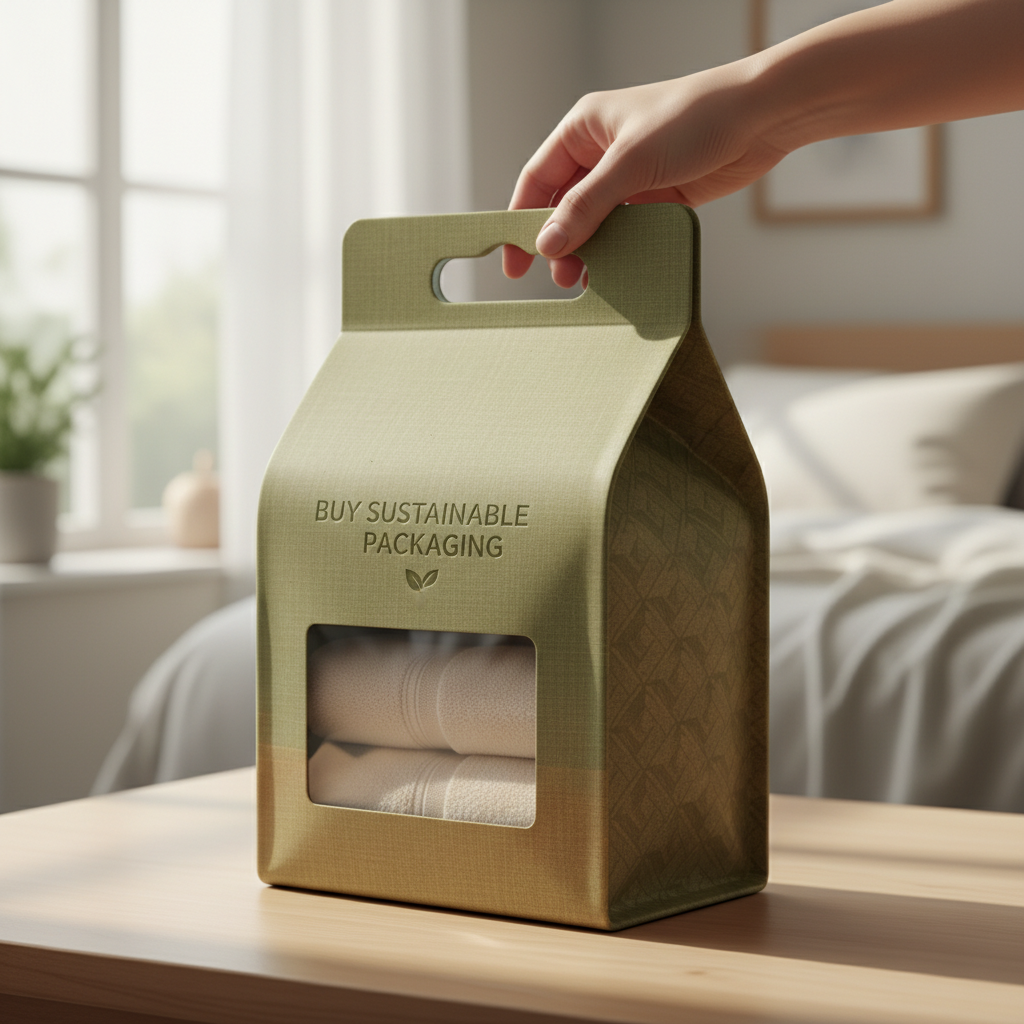
Why Choose Sustainable Packaging?
The benefits of transitioning to sustainable packaging are numerous. Firstly, it reduces waste and landfill burden. Sustainable materials are often biodegradable or recyclable, minimizing their long-term impact on the environment. Secondly, it enhances your brand reputation. Demonstrating a commitment to sustainability attracts eco-conscious consumers and builds trust. Finally, many governments are implementing regulations and incentives to encourage sustainable practices, potentially leading to cost savings and a competitive advantage for businesses that adopt eco-friendly solutions. By choosing to buy sustainable packaging, you're investing in a better future.
Key Benefits: Reduced waste, enhanced brand reputation, potential cost savings, and compliance with environmental regulations.
Common Sustainable Packaging Materials
A variety of sustainable materials are available, each with its unique properties and applications. Some popular choices include recycled cardboard and paper, which are widely recyclable and biodegradable. Plant-based plastics (PLA) made from cornstarch or sugarcane offer a renewable alternative to traditional plastics. Mushroom packaging, a relatively new innovation, utilizes mycelium – the root structure of mushrooms – to create a fully compostable protective material. Finally, seaweed packaging is emerging as a promising, biodegradable, and marine-degradable option.
Material Comparison:
• Recycled Cardboard: Widely recyclable, cost-effective.
• PLA Plastics: Renewable, compostable under specific conditions.
• Mushroom Packaging: Fully compostable, excellent cushioning.
• Seaweed Packaging: Biodegradable, marine-degradable.
Buy Sustainable Packaging: Factors to Consider
When choosing sustainable packaging, several factors should influence your decision. Consider the nature of your product – fragile items require more protective materials. Evaluate the shipping conditions – moisture-sensitive products need waterproof packaging. Assess the end-of-life options – can the packaging be easily recycled or composted by your customers? Finally, factor in the cost and availability of different materials. Finding the right balance between these factors is crucial to ensure optimal performance and sustainability.
DSL Pack: Your Partner in Sustainable Packaging Solutions
At DSL Pack, we specialize in providing businesses with high-quality, sustainable packaging solutions. We offer a wide range of eco-friendly materials and custom packaging options to meet your specific needs. From corrugated boxes and paper mailers to biodegradable films and compostable pouches, we have the expertise to help you create packaging that is both environmentally responsible and effective. Our team can guide you through the material selection process and ensure your packaging meets all relevant industry standards.
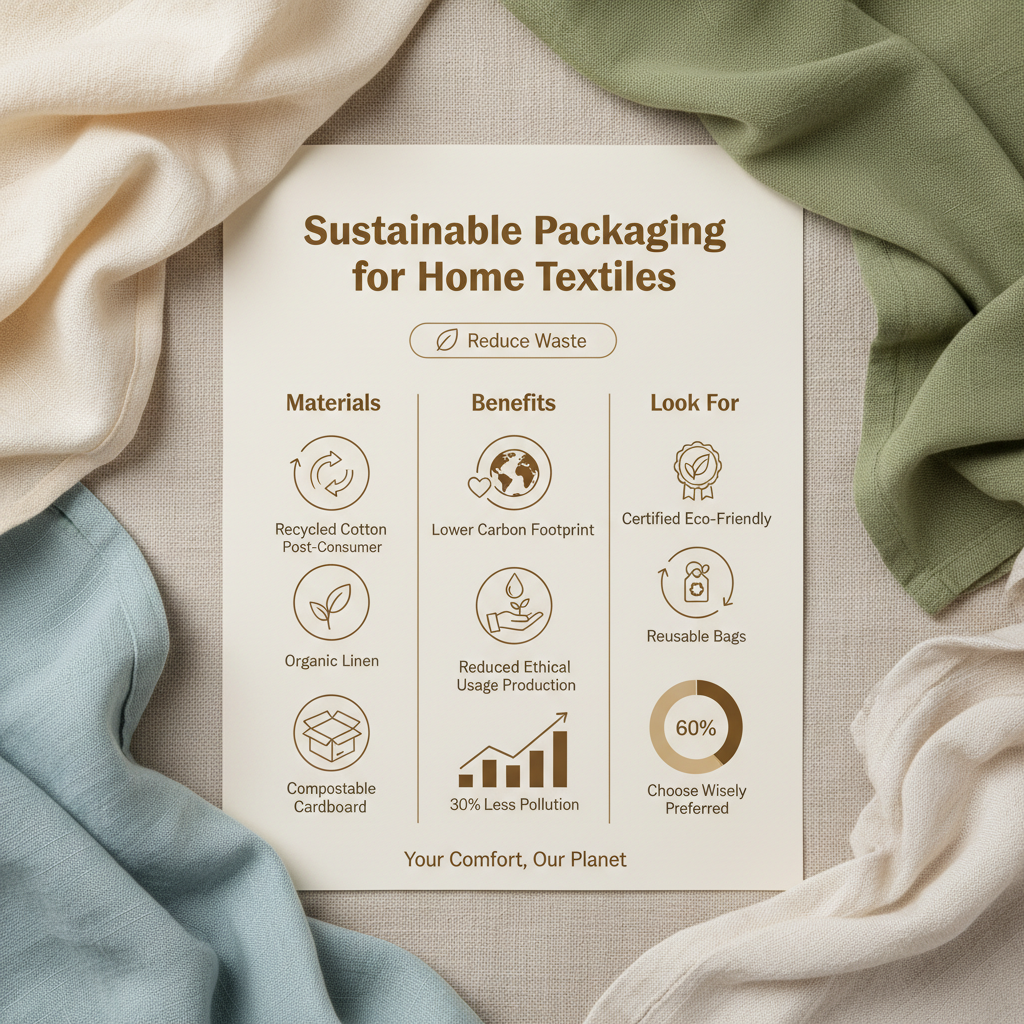
The Future of Packaging is Sustainable
The demand for sustainable packaging is only going to increase. Businesses that proactively embrace eco-friendly solutions will be well-positioned to thrive in the evolving marketplace. By choosing to buy sustainable packaging, you're not only reducing your environmental impact but also demonstrating a commitment to a more sustainable future. DSL Pack is here to support you every step of the way.
Conclusion: Embrace Sustainability with DSL Pack
Choosing sustainable packaging is an investment in your brand, the environment, and the future. DSL Pack provides the expertise and solutions you need to make a seamless transition to eco-friendly packaging. Contact us today to learn how we can help you achieve your sustainability goals.
Frequently Asked Questions (FAQs)
What are the most common certifications for sustainable packaging?
Several certifications validate the sustainability of packaging materials. The Forest Stewardship Council (FSC) ensures responsible forestry practices for paper-based packaging. The Sustainable Forestry Initiative (SFI) offers similar assurance. For compostable packaging, look for certifications like BPI (Biodegradable Products Institute) or OK compost HOME. These certifications provide consumers with confidence that the packaging meets specific environmental standards. DSL Pack can help you navigate these certifications and choose packaging materials with appropriate credentials.
How can I reduce packaging waste overall?
Reducing packaging waste requires a holistic approach. Consider right-sizing your packaging to minimize empty space. Optimize packaging design to reduce material usage. Explore reusable packaging options, such as returnable containers. Work with suppliers who prioritize sustainable packaging materials. Encourage customers to recycle or compost packaging responsibly. Every effort, no matter how small, contributes to a more sustainable system. DSL Pack provides consultation on packaging optimization strategies.
Is sustainable packaging more expensive than traditional packaging?
While some sustainable materials may have a higher upfront cost, the long-term benefits can outweigh the initial investment. Increased brand reputation, reduced waste disposal costs, and potential tax incentives can contribute to overall savings. Moreover, the price gap between sustainable and traditional materials is narrowing as demand increases and production processes become more efficient. DSL Pack can provide cost-effective sustainable packaging solutions tailored to your budget.
What is compostable packaging, and how does it work?
Compostable packaging breaks down naturally into nutrient-rich organic matter under specific composting conditions. There are two main types: home compostable and industrially compostable. Home compostable packaging can break down in a backyard compost pile, while industrially compostable packaging requires the higher temperatures and controlled environment of a commercial composting facility. Ensure your packaging is certified by a reputable organization like BPI to guarantee its compostability. DSL Pack offers a wide range of certified compostable packaging options.


- No. 6 Hefu Road, Hengjiang Industrial Zone, Gaoming District, Foshan, Guangdong Province,China
- Tel: 86-133 3649 8096
- Email:enid@bc-pak.com
-


