
Custom Pouch Packaging: Modern Solutions for Sustainability & Efficiency
Understanding Custom Pouch Packaging: Why It Matters
If you’re wondering what custom pouch packaging is, or why suddenly everyone in manufacturing, food, or humanitarian aid is talking about it, you’re in the right place. Custom pouch packaging isn’t just fancy marketing jargon — it’s a flexible, efficient, and increasingly sustainable way to deliver products worldwide. Think of it as the modern answer to packaging that adapts to both consumer needs and global challenges.
Globally, packaging waste is a major concern: the United Nations estimates that over 300 million tons of plastic waste are generated annually, with a significant chunk coming from food and retail packaging[1]. Custom pouches can shrink that footprint, improve supply chain resilience, and even make brands stand out in crowded markets. So, understanding them could be your gateway to smarter, greener business.
The Big Picture: Why Custom Pouch Packaging Is Gaining Ground Worldwide
Let’s zoom out a bit. The global flexible packaging market was valued at roughly $70 billion in 2022, with projections estimating a steady CAGR above 4% through 2030[2]. Why? Because consumers and companies alike want packaging that’s easy to transport, store, and recycle — or at least, to minimize waste.
Beyond the obvious perks, custom pouch packaging addresses the transportation costly inefficiencies and sustainability hurdles that rigid containers struggle with. In disaster zones, for instance, when every kilo counts and storage space is precious, lightweight, resealable pouches can make relief distribution much faster and less wasteful.
Mini takeaway: The rise of custom pouches is not a fad but a response to global economic and environmental pressures shaping packaging solutions.
What Exactly Is Custom Pouch Packaging?
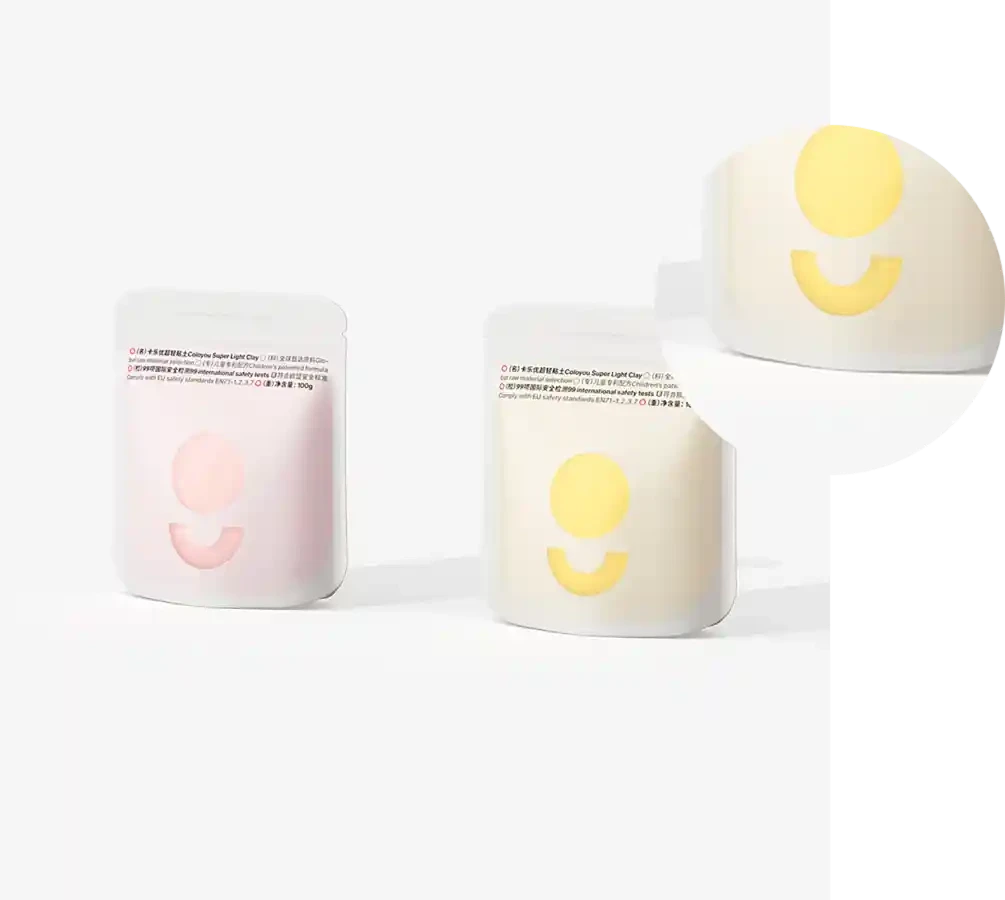
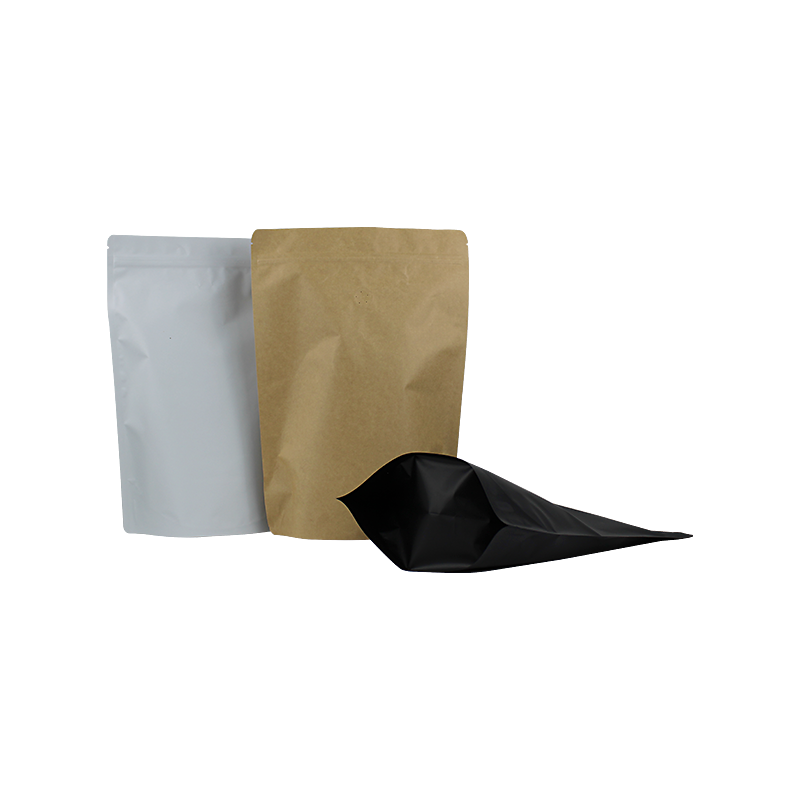
In plain terms, “custom pouch packaging” refers to flexible bags or pouches specifically designed and manufactured to meet a client’s precise product, branding, or functional needs. Unlike standard plastic bags bought off the shelf, these pouches can be tailored in size, material, shape, printing, and sealing mechanism.
Custom pouch packaging fills a unique niche bridging traditional boxes and rigid containers, offering better protection against moisture, air, and contamination while being light and easy to carry. They’ve become popular in everything from artisan coffee to medical supplies, aligning with modern demands for convenience and hygiene.
In humanitarian contexts, these can quickly become lifesavers—literally—by providing scalable, rapid-pack, water-resistant options to transport food, medicine, or seeds without bulky crates or cans.
Core Components of Effective Custom Pouch Packaging
Durability and Barrier Protection
The best custom pouches excel at creating a barrier against oxygen, moisture, and UV rays—all of which can degrade product quality. Manufacturers increasingly employ multi-layer laminates combining PET, foil, and polyethylene layers to ensure long shelf life.
Scalability and Manufacturing Flexibility
One great thing about pouches is their ease of scaling – whether you need 1,000 or 1 million units, digital printing and automated production lines allow cost-effective customization. This flexibility lets companies update branding seasonally or adapt to regulatory changes with comparatively low waste.
Cost Efficiency
Pouches often cost less to produce and transport than rigid containers because they require less raw material and take up less cargo space. That said, the finishing processes—like zippers or spouts—may add some cost depending on complexity.
Sustainability Prospects
Many manufacturers now use recyclable or compostable films, or introduce mono-material structures that simplify recycling. It’s no secret investors and end users alike care more about green credentials when choosing pack styles.
Customization & Branding
High-resolution digital printing on pouches allows vibrant visuals that make products pop on shelves, helping brands build trust and stand out — even in competitive markets.
Mini takeaway: When companies pick custom pouch packaging, they aren’t choosing just “bags.” They’re tapping into a suite of design and material technologies that directly impact product performance and customer experience.
How Custom Pouch Packaging Changes the Game Globally
Across continents and industries, we find amazing uses for custom pouch packaging:
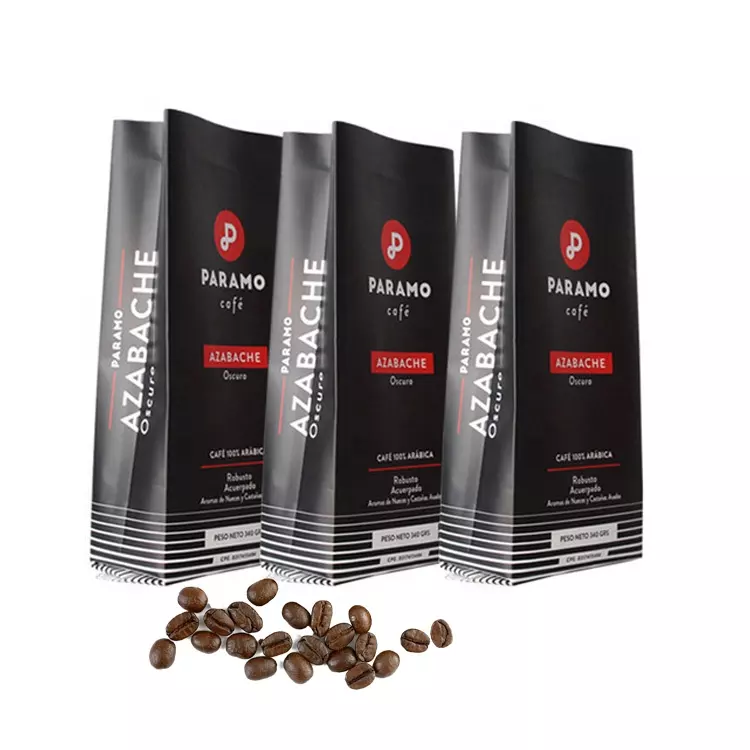
- Food Industry: In Europe and North America, resealable coffee and tea pouches have revolutionized freshness preservation, meeting rising demand for single-serve lifestyle convenience.
- Healthcare and Pharmaceuticals: In remote clinics across Africa, pharmaceutical pouches provide a lightweight, secure means to distribute medicines quickly without breakage or contamination risk.
- Humanitarian Aid: Organizations like the Red Cross use customized, stackable pouches to deliver food and sanitation products rapidly after disasters, reducing logistical bottlenecks.
- Cosmetics: Asia’s booming skincare market loves sachet pouches offering single-use portions that reduce contamination and encourage trial.
Oddly enough, some industrial zones in South America are adopting pouches for small parts storage, improving inventory visibility and reducing waste from damaged goods.
Product Specification Table: Sample Custom Pouch Specs
| Specification | Details |
|---|---|
| Material | Multi-layer PET/PE laminate with foil barrier |
| Dimensions | Customizable, typical range 100x150mm to 400x600mm |
| Seal Type | Zipper, heat-seal, or spout options |
| Printing | Full digital color printing (up to 10 colors) |
| Shelf Life | Up to 24 months depending on contents |
| Recyclability | Varies; options available for mono-material recyclable films |
Comparing Top Vendors of Custom Pouch Packaging
| Vendor | Customization Level | Production Capacity | Sustainability Initiatives | Lead Time |
|---|---|---|---|---|
| PouchCraft Ltd. | High (design, sizes, printing) | 500k units/month | Uses FSC-certified films, recyclable pouches | 4-6 weeks |
| FlexiSeal Packaging | Medium (standard sizes, limited print) | 1 million units/month | Researching biodegradable films | 2-3 weeks |
| EcoPack Solutions | High (custom sizes, 3D shapes, full color) | 300k units/month | 100% compostable films, carbon-neutral production | 5-7 weeks |
Why Choose Custom Pouch Packaging? The Advantages
There’s a reason many brands — from boutique snack makers to multinational NGOs — are betting on custom pouch packaging:
- Cost and Logistic Efficiency: Lighter weight reduces freight costs and carbon emissions.
- Product Safety: Enhanced sealing and barrier layers preserve freshness longer.
- Sustainability: Innovation in recyclable and compostable films answers ecological concerns.
- Consumer Appeal: Convenient reseal options keep customers coming back, reinforcing brand loyalty.
- Social Impact: In aid programs, they protect critical supplies and ensure dignity in distribution.
Frankly, they solve many packaging headaches, and as environmental regulations ramp up, ignoring them feels like ignoring the future.
Looking Ahead: Trends Driving the Future of Custom Pouch Packaging
Automation and smart packaging are the buzzwords you keep hearing — and rightly so. Many producers are integrating digital printing tech that enables rapid design changes for seasonal branding or batch tracking.
Material science is also progressing, with bio-based plastics and edible films not far from widespread rollout. Imagine a pouch you could compost in your backyard or even eat (if you were truly adventurous) after use.
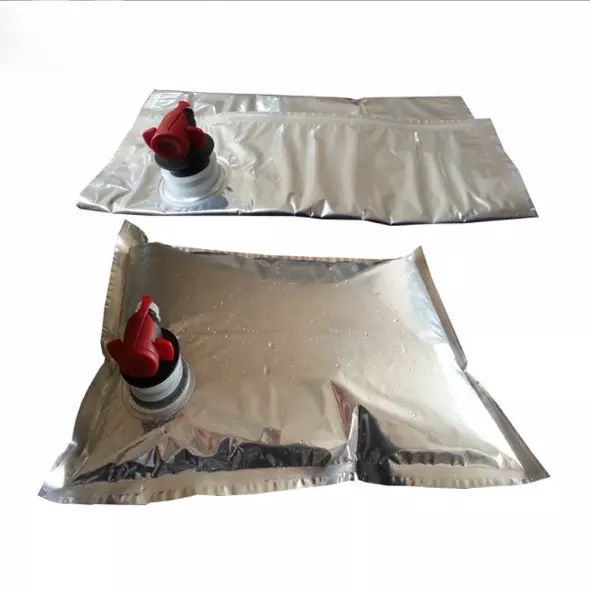
Another innovation lies in pouch shapes — 3D and stand-up spouts allow more ergonomic pouring and refilling, especially for liquid products, making them an increasingly popular custom choice. Digital supply chain monitoring tags embedded in packaging could also transform inventory management for industries relying on these pouches.
Addressing the Challenges Head-on
Of course, it’s not all smooth sailing. Complex multi-layer laminates can complicate recycling, and some exotic finishes raise costs beyond small brands’ budgets. I often hear manufacturers wrestling with balancing barrier performance against recyclability.
Innovators recommend mono-material pouches or easily removable components to tackle this — but it demands collaboration between suppliers, recyclers, and regulators.
Lead times can be longer for specialized orders; firms should plan ahead. Still, the payoff in product protection and market differentiation makes the wait worthwhile.
FAQ: Frequently Asked Questions About Custom Pouch Packaging
- What types of materials are commonly used in custom pouch packaging?
- Common materials include multi-layer laminates combining PET, foil, and polyethylene for barrier protection. Increasingly, recyclable mono-films and compostable polymers are being adopted to reduce environmental impact.
- Can custom pouch packaging be resealed after opening?
- Yes, most custom pouches offer resealable options like zippers or spouts, which help maintain freshness and reduce product waste after the initial opening.
- Is custom pouch packaging cost-effective for small businesses?
- While there may be a slightly higher upfront cost due to customization, the savings in transport and storage, combined with better shelf appeal, often make it a cost-efficient choice even for smaller producers.
- How environmentally friendly are these pouches?
- Environmental friendliness depends on materials and recycling infrastructure, but many manufacturers now offer pouches made from recyclable or compostable films designed to decrease plastic waste.
- How long does it usually take to get custom pouches manufactured?
- Lead times vary by order size and complexity, typically ranging from 2 to 7 weeks. Early communication with vendors is crucial to meet tight deadlines.
Final Thoughts + Call to Action
Custom pouch packaging is no longer just a niche option — it’s fast becoming the go-to for brands and organizations that want packaging tailored not just to products, but to an environmentally conscious, efficiency-driven future. Whether your needs lean toward high-volume retail or rapid aid deployment, the flexible nature of pouches offers undeniable benefits.
Curious to see what custom pouch packaging could do for your business? Visit custom pouch packaging to explore tailored solutions that fit your needs.
References


- No. 6 Hefu Road, Hengjiang Industrial Zone, Gaoming District, Foshan, Guangdong Province,China
- Tel: 86-133 3649 8096
- Email:enid@bc-pak.com
-


