
Food Packaging Bags – Global Importance, Innovations & Vendor Comparison
Understanding the World of Food Packaging Bags: Why They Matter Globally
Food packaging bags might not be the flashiest topic at first glance, but they quietly play a massive role in global food safety, distribution, and sustainability. In a world where nearly one-third of food produced is estimated to be wasted, proper packaging comes across as a frontline hero in preserving freshness, extending shelf life, and reducing spoilage. Whether it’s keeping apples crisp during transport, safeguarding humanitarian aid in remote regions, or simply making grocery shopping smoother for consumers, food packaging bags are everywhere — and everywhere important. Understanding their design, use, and impact can help industries and consumers alike make smarter, more sustainable choices. ---Introduction: The Global Context of Food Packaging Bags
On a global stage, food packaging bags serve as silent guardians — ensuring that food reaches tables safe, fresh, and unspoiled. According to the United Nations Food and Agriculture Organization (FAO), roughly 1.3 billion tons of food are wasted each year worldwide. A significant chunk of this spoilage comes from inadequate food protection during transport and storage. That’s where food packaging bags come in — crafted thoughtfully, they reduce waste, preserve nutrition, and facilitate efficient logistics. For instance, plastic-based packaging — despite its environmental critiques — accounts for nearly 40% of global food packaging due to its lightweight and protective nature (source: ISO 18601). However, this landscape is rapidly evolving with the rise of biodegradable and reusable materials responding to growing environmental concerns. It’s not just about preservation. Food packaging bags also address critical problems like contamination control, tamper evidence, and traceability, especially in post-disaster relief efforts and remote supply chains for countries across Africa, Asia, and South America. These applications demand durability and reliability — sometimes under extreme conditions. Mini takeaway: Food packaging bags are a key player in tackling food loss globally, balancing complex factors like safety, sustainability, and supply chain logistics. ---What Exactly Are Food Packaging Bags?
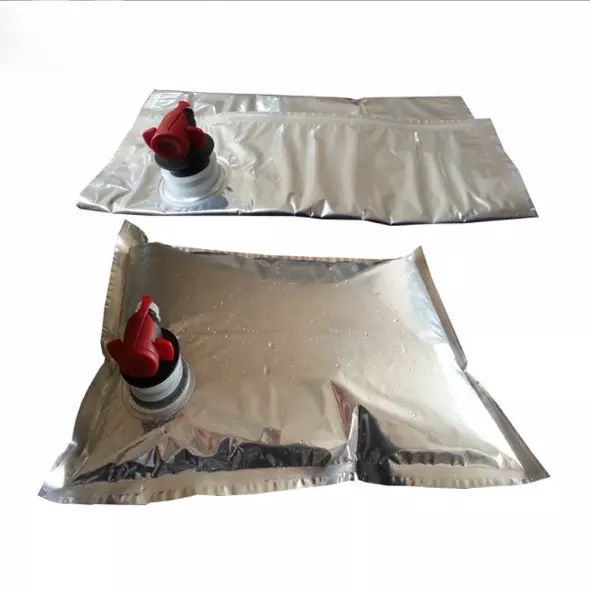
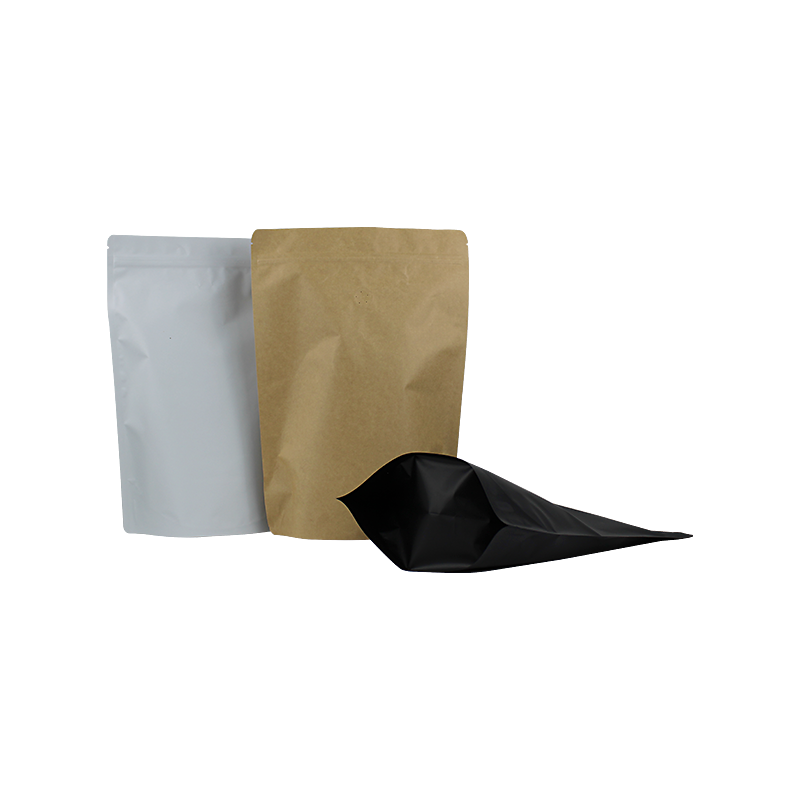
At its core, a food packaging bag is simply a container crafted from materials like plastic, paper, or composite laminates, designed to store, protect, and transport food products. They range from the transparent sandwich bags in your fridge to heavy-duty, multi-layer pouches used for bulk grains overseas. The link between these bags and modern industry is close-knit — they are a vital cog in cold chains, retail distribution, and even humanitarian logistics. For example, NGOs dealing with disaster zones rely heavily on robust, airtight bags that can withstand rough handling yet keep food safe for distribution. In short, these bags serve as a bridge connecting producers, handlers, and consumers, preserving not just food, but also value, nutrition, and dignity. ---Key Components That Define Effective Food Packaging Bags
1. Durability and Barrier Properties
When it comes to food packaging bags, durability isn't just about surviving the journey — it’s about protecting what’s inside from moisture, oxygen, and contaminants. Multi-layer laminates combining polyethylene, nylon, or foil often create a semi-impermeable shield, keeping foods fresh longer.2. Scalability and Customization
Depending on the industry, you might need bags that fit a single apple or a 25-kilogram sack of grains. Manufacturers offer scalable sizes and customizable features — resealable zippers, venting holes, or even windows — tailoring packaging solutions to client needs in wholesale, retail, or humanitarian markets.3. Cost Efficiency
Balancing material costs with performance is always a tricky dance. While premium barrier films might add expense, they can extend shelf life substantially, reducing overall product loss, which is often more costly.4. Sustainability and Environmental Impact
The buzzword of the decade — sustainability. Bioplastics, compostable films, and reusable packaging are reshaping what food packaging bags look like. ISO standards like 18601 and 14001 foreground environmental management within packaging production, urging shifts toward eco-friendly options without compromising safety.5. Regulatory Compliance and Safety
Food packaging materials must comply with regulations such as FDA guidelines, EU food contact materials rules, and others to ensure they do not leach harmful substances or compromise food safety. Mini takeaway: The “perfect” food packaging bag is a balancing act among durability, cost, sustainability, and compliance — a complex recipe indeed. ---Where and How Food Packaging Bags Are Used Around the World
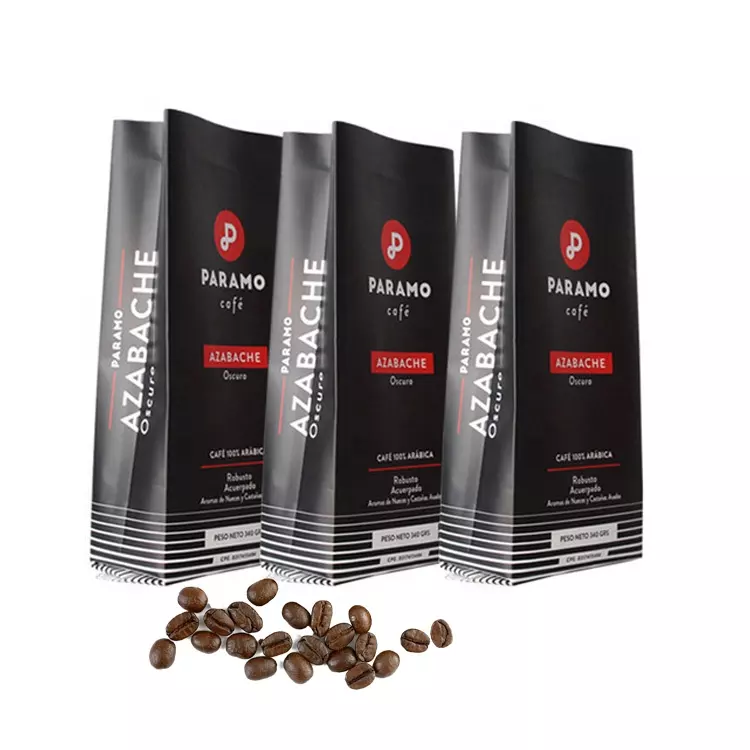
Food packaging bags are ubiquitous yet regionally nuanced in their applications. - In Southeast Asia, high humidity demands moisture-resistant bags for staples like rice and spices. - North American and European markets increasingly emphasize eco-conscious packaging with clear recyclability. - Humanitarian agencies distributing emergency food relief — the World Food Programme included — rely on sturdy, tamper-proof bags to protect supplies heading into war zones and disaster areas. - The booming e-commerce food sector globally demands resealable, durable bags for frozen and fresh foods shipped directly to consumers. In real terms, the versatility of food packaging bags is staggering. From ultrathin vacuum-sealed pouches that preserve coffee freshness to huge poly-woven bags holding bulk beans for export, the breadth is impressive. ---Advantages and Long-Term Value of Food Packaging Bags
The most obvious benefit? Food preservation. But dig deeper — there’s also: - Cost savings: Less spoilage means better margins for producers and retailers. - Environmental gains: Innovative biodegradable bags reduce landfill burdens. - Social impact: Safer packaging prevents contamination and foodborne illnesses, saving lives. - Consumer trust: Clear, tamper-evident packaging boosts confidence in food quality. It’s a rare thing when a product or solution simultaneously addresses emotional needs (trust, safety, dignity) and cold hard economic realities. ---Emerging Trends and Innovations in Food Packaging Bags
The food packaging industry is churning with innovation. Among hot trends: - Smart packaging: QR codes and sensors that monitor freshness and temperature. - Biodegradable films: Made from corn starch, seaweed, or mushroom roots — reducing plastic footprints. - Automation in production: Robotics enabling efficient, customizable bag fabrication. - Circular economy approaches: Programs to collect and recycle used food packaging bags are gaining stride thanks to ISO 18604. The intersection of technology and environmental stewardship feels both urgent and exciting. ---Challenges and How the Industry Is Tackling Them
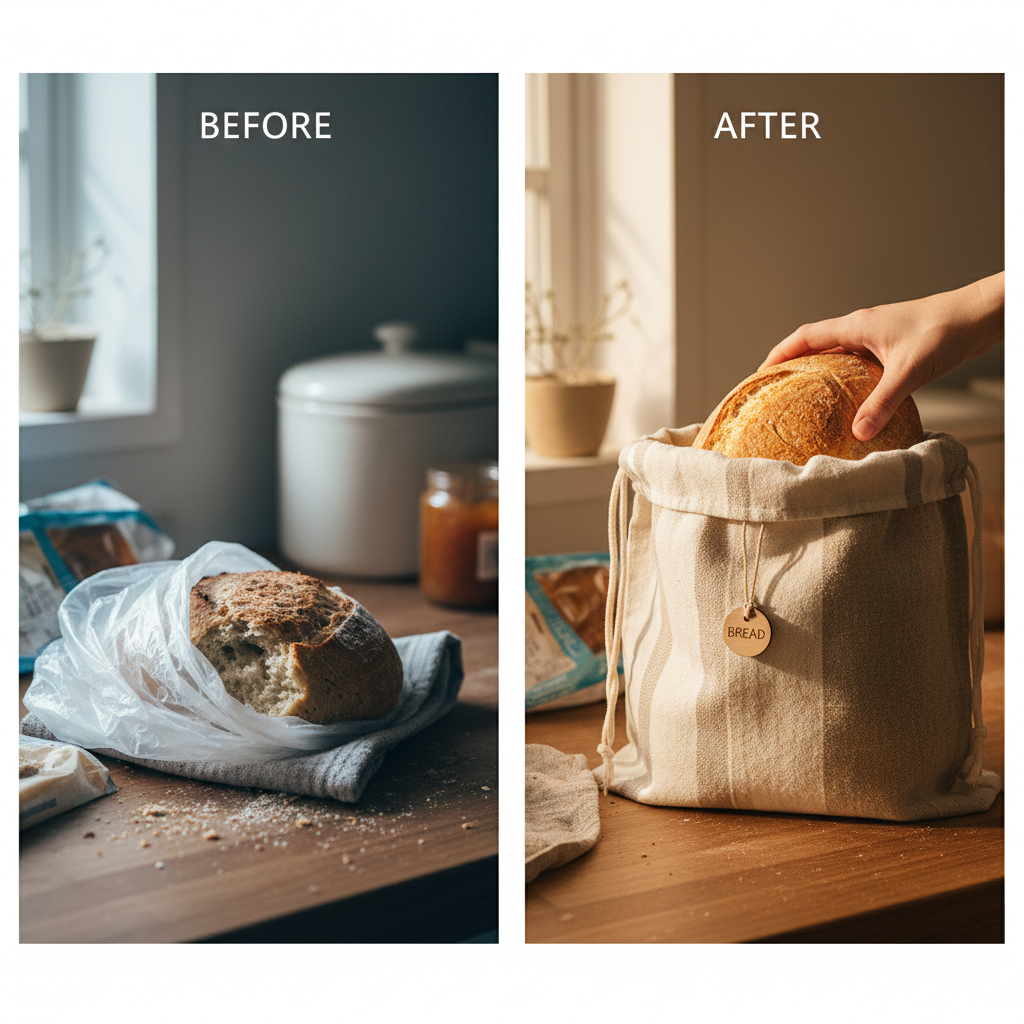
Despite advances, challenges remain: - Plastic pollution backlash: Some countries are banning certain plastics, pressing for alternatives. - Cost hurdles: Sustainable bags often cost more upfront. - Consumer awareness: Reusable and recyclable bags require education and infrastructure. Solutions? Collaboration between regulators, producers, NGOs, and consumers unlocks progress — e.g., incentives for sustainable materials, public campaigns on waste reduction, and improved recycling logistics. ---Frequently Asked Questions About Food Packaging Bags
Q1: What materials are best for food packaging bags that preserve freshness?
A: Multi-layer films combining polyethylene for sealing, nylon for strength, and aluminum foil for barrier protection usually perform best. These block moisture, oxygen, and light, all common culprits of spoilage.
Q2: Are biodegradable food packaging bags safe for all types of food?
A: Most biodegradable options are tested to meet food safety standards, but they’re best used with dry or low-moisture foods. Moist, oily, or acidic foods may require specialized coatings.
Q3: How can companies reduce the environmental impact of food packaging bags?
A: Switching to compostable materials, designing for recyclability, using minimal packaging, and encouraging consumer reuse all contribute. Participating in packaging take-back programs helps too.
Q4: Can food packaging bags help in reducing foodborne illness?
A: Absolutely. Properly sealed and hygienic packaging prevents contamination from bacteria, dirt, and insects, which is critical for public health.
Product Specification Table: Typical Food Packaging Bags
| Specification | Description |
|---|---|
| Material | PE / PA / Aluminum foil laminated films |
| Barrier Properties | Oxygen transmission rate < 1 cc/m²/day |
| Thickness | 50-150 microns (depending on application) |
| Seal Type | Heat seal, resealable zippers |
| Sizes Available | 5cm x 5cm (snack size) to 60cm x 90cm (bulk bags) |
Vendor Comparison: Leading Food Packaging Bag Suppliers
| Vendor | Material Options | Customization | Sustainability Focus | Typical Lead Time |
|---|---|---|---|---|
| GreenPack Solutions | Biodegradable PLA, Compostable Films | High - Custom shapes, printed branding | Excellent - Certified compostable | 4-6 weeks |
| FlexiPack Corp. | Multi-layer laminates; PE, PA, Foil | Medium - Standard sizes, some print options | Moderate - Recycling promoted | 3-5 weeks |
| EcoWrap International | Recyclable PE-based films, some biodegradable blends | High - Custom solutions and quick prototyping | Strong emphasis on circular economy | 2-4 weeks |
Final Thoughts
Food packaging bags, in essence, are more than mere carriers — they’re part of a complex system keeping food safe, reducing waste, and nurturing economies and communities. The ongoing innovation and shifts toward sustainable materials reflect a sector that’s both reactive and proactive. If you haven’t paid much thought to the humble food packaging bag before, it’s worth a glance next time you’re unpacking groceries or planning supply logistics. After all, they hold more than just food — they hold food’s future. If you want to explore more about advanced and sustainable food packaging bags, feel free to visit food packaging bags for expert solutions tailored for your needs. ---References:




- No. 6 Hefu Road, Hengjiang Industrial Zone, Gaoming District, Foshan, Guangdong Province,China
- Tel: 86-133 3649 8096
- Email:enid@bc-pak.com
-


