
Resealable Pouches: Sustainable, Convenient Packaging Solutions for Every Industry
Resealable Pouches: Rethinking Packaging for a Sustainable Tomorrow
If you haven’t noticed, resealable pouches are quietly revolutionizing how we handle, store, and transport everything from snacks to medical supplies worldwide. While they may look like just another packaging type on the shelf, these clever containers tap into some pretty vital global trends — sustainability, convenience, and waste reduction. In a world increasingly tuned to eco-conscious shopping and optimized logistics, understanding resealable pouches isn’t just a nice-to-have; it matters.
Why Resealable Pouches Matter Globally
Let’s put it in perspective: according to the United Nations Environment Programme, nearly 300 million tons of plastic waste is generated globally each year — a chunk of which comes from packaging. As consumers and industries ramp up calls for sustainable packaging, resealable pouches answer this call by blending airtight protection with reusability. They reduce food spoilage, minimize single-use plastic, and enhance consumer convenience, which all add up to significant environmental and economic wins.
Oddly enough, what started as a simple innovation for snacks now has big footprints in pharmaceuticals, agriculture, personal care, and humanitarian efforts. The ability to securely reseal a product makes all the difference, whether it’s a coffee bag maintaining freshness or emergency food kits in remote disaster zones.
What Exactly Are Resealable Pouches?
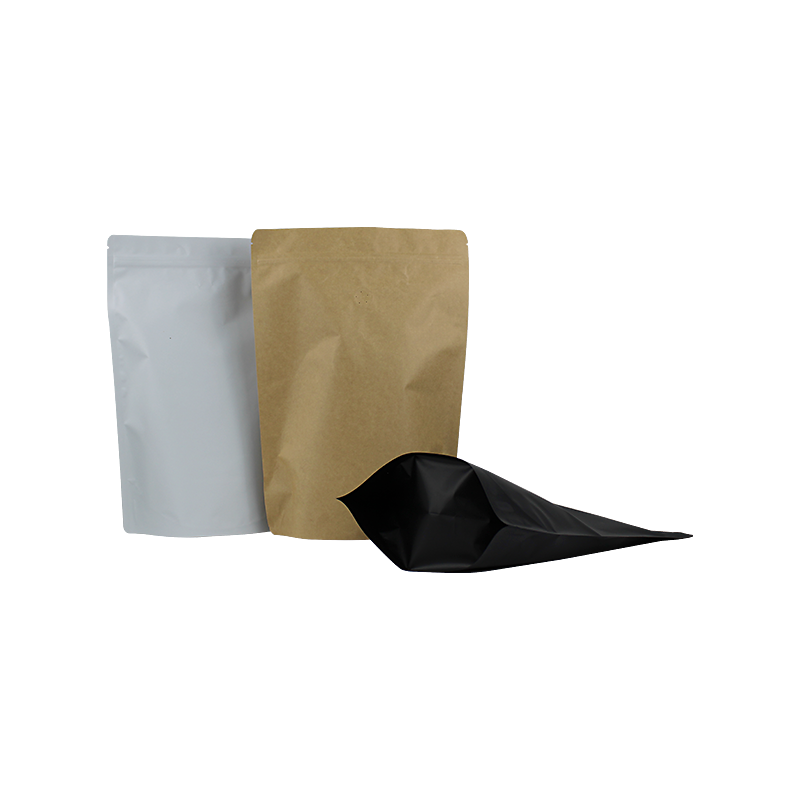
In essence, resealable pouches are flexible packaging solutions equipped with built-in closure mechanisms like zippers, sliders, or adhesive strips allowing users to open and close the pouch multiple times without losing product integrity. They’re usually made from multilayer films combining plastic, aluminum foil, and sometimes paper — all engineered to keep contents fresh and protected.
This simple multi-use feature aligns perfectly with modern industry demands for sustainability and efficiency. Beyond consumer convenience, industries value these pouches for preserving sensitive goods — pharmaceuticals, dry foods, powders — often requiring strict contamination control.
Core Components That Make Resealable Pouches Work
1. Durability and Barrier Protection
A pouch is only as good as what it keeps out — oxygen, moisture, UV light, you name it. Manufacturers optimize film layers to ensure maximum barrier properties. For example, aluminum foil layers stop light and oxygen, dramatically expanding shelf-life, while polyethylene layers provide toughness and flexibility.
2. Scalability in Production
Mass production has to remain cost-effective without compromising quality. Modern converting machines adapt to various widths and thicknesses, enabling companies to ramp up production quickly depending on demand. This scalability helps brands customize pouch sizes and features without breaking the bank.
3. Cost Efficiency Without Compromise
At first glance, resealable pouches might seem pricier than conventional packaging, but once you factor in extended shelf life, less food wastage, and lighter shipping weight, it’s a cost-saving deal. Plus, they tend to require less storage space thanks to their flexible form factor.
4. User Convenience and Product Integrity
Consumers favor packaging they can open and reseal easily, avoiding messy spills or spoilage. From slider zips to press-to-close zippers, these options put the “use again” factor front and center, allowing companies to foster trust and brand loyalty.
Real-World Applications: Where Resealable Pouches Shine
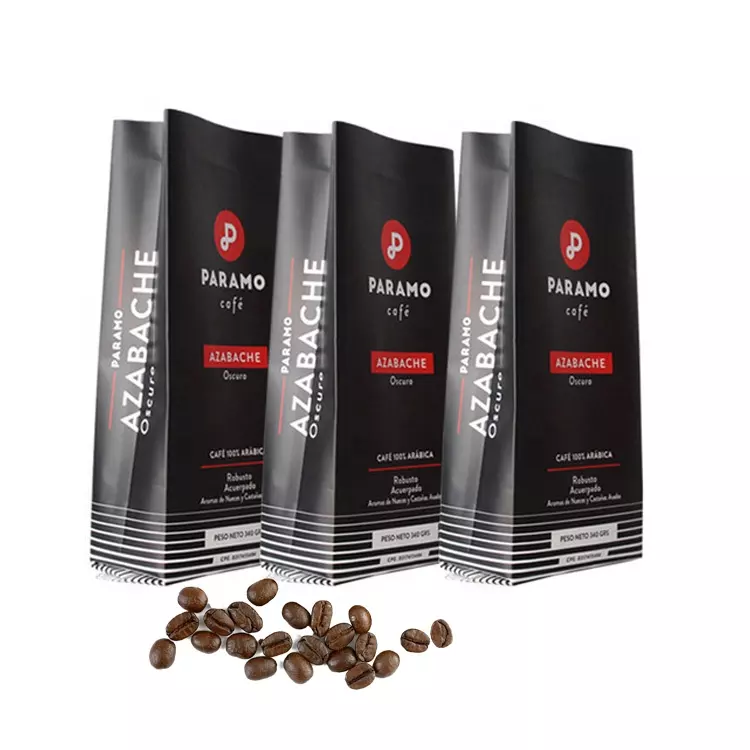
Around the globe, these pouches are making life easier and more sustainable in practical ways. In the food and beverage sector, everything from trail mix to coffee beans uses resealable pouches to keep freshness intact. In healthcare, these pouches stabilize powders and tablets, crucial for export to remote regions.
In humanitarian aid, resealable pouches provide an easy way to portion and protect emergency food rations, ensuring aid recipients can use supplies over time without spoilage. In Asia and Africa, NGOs optimizing logistics for food security programs swear by resealable packaging's flexibility and durability.
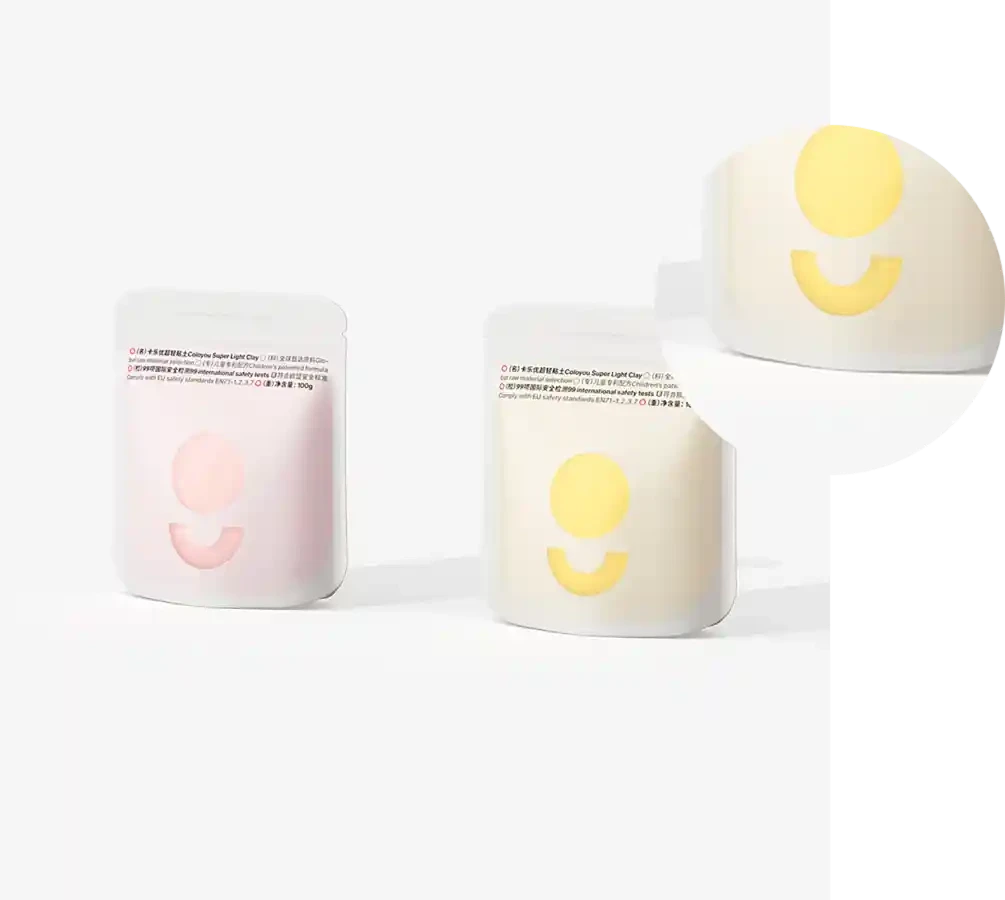
Oddly, the cosmetics and personal care industry has recently jumped on board, with shampoos and bath salts now packaged into aesthetically pleasing, resealable pouches, balancing style and practicality.
Mini takeaway:
- Resealable pouches are everywhere — from your kitchen to disaster relief kits.
- They support industries aiming for freshness, convenience, and sustainability.
The Benefits: Why Resealable Pouches Offer Long-Term Value
There’s a kind of elegance in simplicity. The humble resealable pouch delivers benefits that are both tangible and emotional. Cost savings come from less product waste and reduced shipping weights. Environmentally, they’re lighter and use fewer resources than rigid options — the less plastic used, the better.
For people, resealable pouches enhance safety by reducing contamination risks. Dignity comes into play in humanitarian contexts, where allowing recipients to store food securely is more than convenience — it’s respect. You can see why innovation in pouch technology quickly gains trust among brands and consumers alike.
The Future of Resealable Pouches: What’s Next?
Look ahead and you’ll find vibrant innovation zones. Biodegradable films are becoming mainstream, aligning with international standards like ISO 18604 on packaging sustainability. Automation is optimizing pouch production lines, improving speed without sacrificing quality.
Smart packaging features — think QR codes or embedded sensors — are also drawing attention, adding traceability or freshness indicators. These digital transformations respond well to supply chain transparency demands and consumer desire for trustworthy information.
Challenges and How Industry Leaders Are Responding
It’s not all roses. One persistent challenge is balancing barrier performance with environmental impact. High-barrier films often rely on non-recyclable materials. To tackle this, companies invest heavily in recyclable or mono-material solutions that maintain protection without being a recycling nightmare.
Another issue is consumer education — not everyone knows how to best reuse or recycle these pouches. Some brands have launched campaigns with clear recycling instructions or take-back programs to close the loop.
Frequently Asked Questions About Resealable Pouches
- Q: Are resealable pouches suitable for liquids?
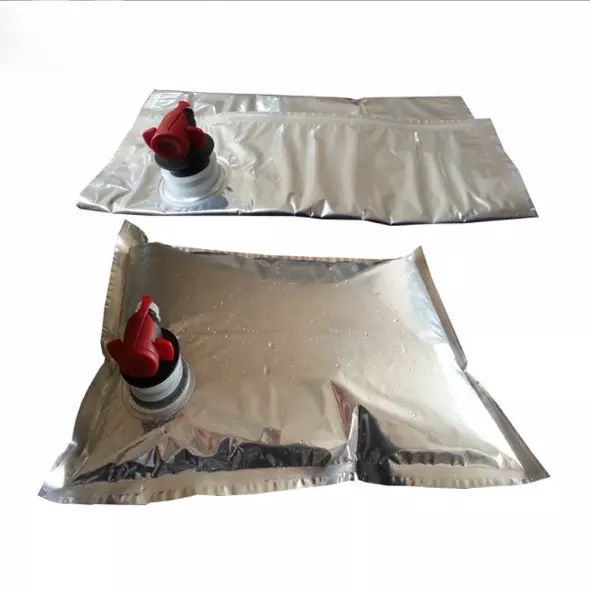
A: Yes, with proper sealing technology and materials, such as barrier films and specialized zippers, resealable pouches can safely hold liquids like juices, sauces, or solvents without leakage. - Q: How do resealable pouches help reduce food waste?
A: By allowing consumers to securely reseal a package, these pouches keep food fresher longer and prevent spills, which means less product gets thrown away due to spoilage. - Q: Can resealable pouches be recycled?
A: Recycling depends on materials used. Many pouches are multilayer films not accepted by all recycling streams, but there’s growing adoption of recyclable mono-material pouches. Always check local guidelines or brand instructions. - Q: Are resealable pouches more expensive than other packaging?
A: Initially, possibly, but savings accrue over time through reduced product waste, shipping efficiencies, and better consumer satisfaction. Overall, they often prove cost-effective. - Q: How customizable are resealable pouches?
A: Highly customizable in size, shape, closure type, and print design, making them suitable for almost any product or brand identity.
Product Specifications in a Nutshell
| Feature | Typical Specs | Benefit |
|---|---|---|
| Material | Laminated PET/PE or Foil-based films | Excellent barrier & durability |
| Closure Type | Zipper lock, slider zipper, press-to-close | Easy open & seal multiple times |
| Size Range | 10g to 5kg capacity | Fits small snacks to industrial powders |
| Up to 10-color flexographic or gravure | High-quality branding & info clarity | |
| Shelf Life Extension | Up to 12 months (varies by product) | Reduced spoilage, enhanced freshness |
Vendor Comparison: Finding the Right Partner for Resealable Pouches
| Vendor | Material Options | Customization | Sustainability Focus | Lead Time |
|---|---|---|---|---|
| DSL Pack | PET/PE, Foil, bio-based films | Custom sizing, full-color printing | Strong focus on recyclable materials | 2-4 weeks |
| EcoPack Solutions | Mono-material compostable films | Standard sizes with limited print options | Certified compostable | 3-5 weeks |
| Flexi-Pack Co. | Multi-layer laminated films | Highly customizable, premium prints | Limited recyclable options | 4-6 weeks |
In Conclusion
Resealable pouches aren’t just packaging — they’re part of a bigger movement towards smarter, cleaner, and more efficient ways to protect products and the planet. They reflect an evolving mindset: one that values flexibility, resourcefulness, and respect for consumers and ecosystems alike. For brands wanting to stand out or supply chains aiming to embrace sustainability, resealable pouches represent a strong, proven option.
If you’re curious to explore how resealable pouches can transform your packaging solutions, from custom designs to sustainable choices, take a closer look at what providers like DSL Pack have to offer. It’s a small change with a huge impact.
Quick Takeaway:
Efficiency, sustainability, and user-friendly design make resealable pouches a packaging choice worth considering for nearly any industry focused on quality and the future.
References:
1. United Nations Environment Programme - Plastic Pollution Report (2021)
2. ISO 18604: Packaging and the Environment - Recyclability standards
3. World Bank Global Waste Data (2018)



- No. 6 Hefu Road, Hengjiang Industrial Zone, Gaoming District, Foshan, Guangdong Province,China
- Tel: 86-133 3649 8096
- Email:enid@bc-pak.com
-


