
Exploring Diverse Types of Plastic Bags for Food Packaging Solutions
Types of Plastic Bags for Food Packaging
Choosing the right plastic bag for food packaging is crucial for maintaining freshness, extending shelf life, and ensuring food safety. A variety of options are available, each suited to different food types and storage requirements. This article will explore the most common types of plastic bags for food packaging, outlining their characteristics, applications, and benefits. Understanding these options will help you make informed decisions for your food packaging needs.
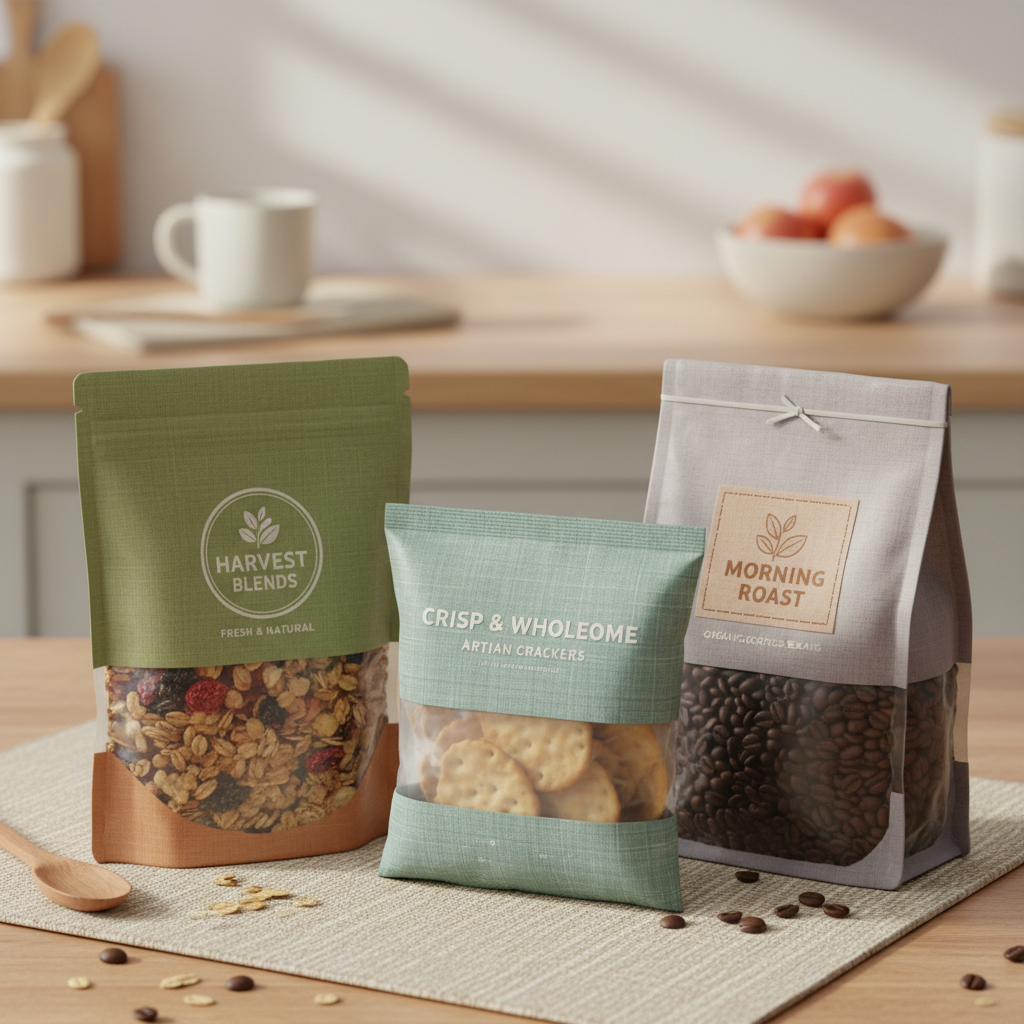
Polyethylene (PE) Bags: The Workhorse of Food Packaging
Polyethylene (PE) is the most widely used plastic in food packaging due to its affordability, flexibility, and good moisture resistance. There are two main types: Low-Density Polyethylene (LDPE) and High-Density Polyethylene (HDPE). LDPE is known for its flexibility and is often used for produce bags, sandwich bags, and freezer bags. HDPE is stronger and more rigid, making it suitable for grocery bags and containers. PE bags are generally recyclable, though recycling capabilities vary by location. DSL Pack offers a wide range of PE bag options to suit diverse food packaging needs.
Key Highlights: PE bags are versatile, cost-effective, and widely recyclable, making them a popular choice for a wide range of food products.
Polypropylene (PP) Bags: Enhanced Strength and Heat Resistance
Polypropylene (PP) bags offer higher strength and heat resistance compared to PE bags. They are commonly used for packaging snacks, cereals, and other dry goods. PP bags also exhibit good barrier properties, protecting food from moisture and oxygen. PP is often used for retort packaging, where food is sterilized at high temperatures. While PP is recyclable, it's often handled separately from PE, so check with your local recycling facilities.
Polypropylene Bag Benefits:
• Higher strength and tear resistance
• Excellent heat resistance for retort packaging
• Good barrier properties against moisture and oxygen
• Suitable for a variety of dry food products
Types of Plastic Bags for Food Packaging: A Comparative Look
Choosing between different plastic bags involves considering factors like cost, strength, barrier properties, and recyclability. Here's a comparison table outlining the key differences between the most common types:
Specialty Bags: PET and Laminate Films
For foods requiring superior barrier properties, such as meats, cheeses, and sauces, Polyethylene Terephthalate (PET) and laminate films are often used. PET offers excellent clarity and resistance to oxygen and moisture. Laminate films combine different materials to create a bag with tailored properties. These bags are generally more expensive but provide enhanced protection and shelf life. DSL Pack can customize laminate films to meet specific food packaging requirements.
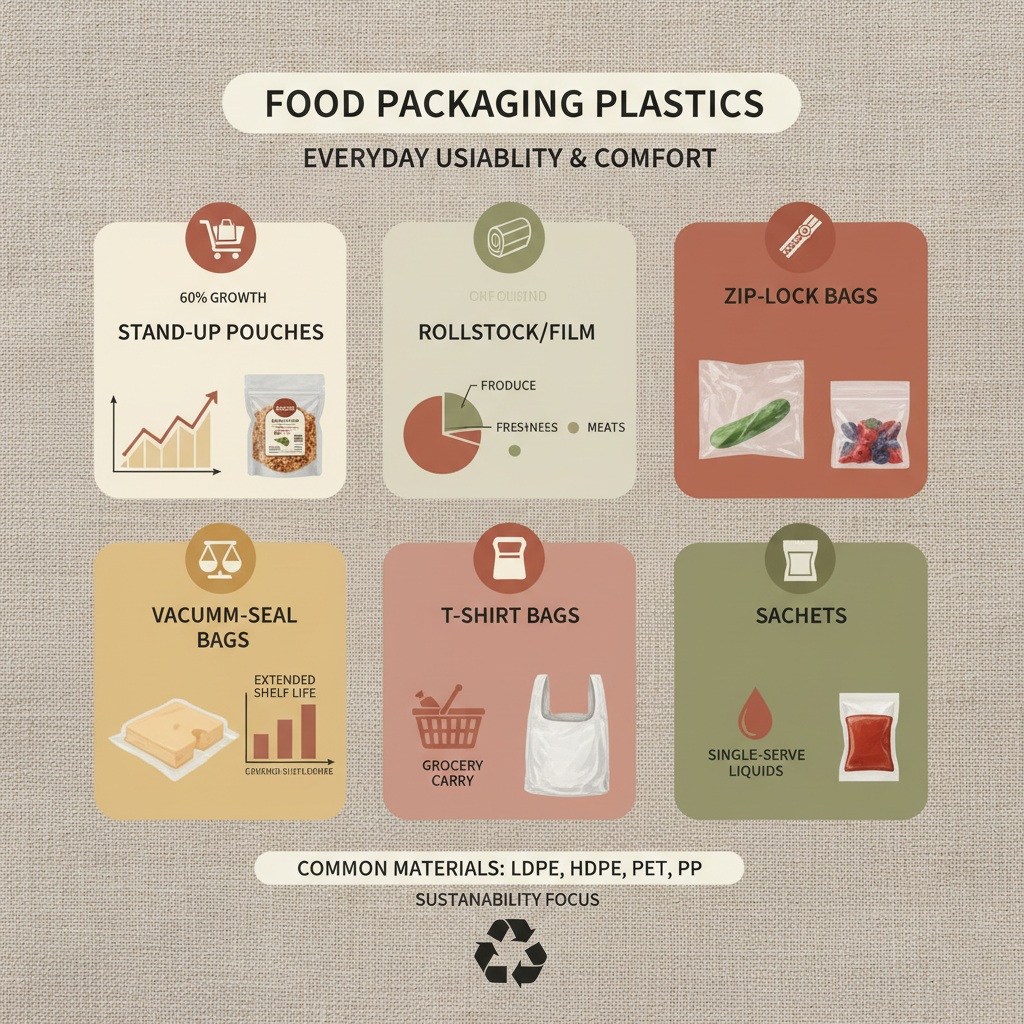
The Future of Food Packaging: Sustainability and Innovation
The food packaging industry is increasingly focused on sustainability. This includes developing biodegradable and compostable plastic bags, reducing plastic usage through lightweighting, and improving recycling rates. Innovative materials like PLA (Polylactic Acid) derived from renewable resources are also gaining traction. DSL Pack is committed to offering sustainable packaging solutions to meet the evolving needs of the food industry.
Conclusion: Choosing the Right Plastic Bag
Selecting the optimal plastic bag for food packaging requires careful consideration of the food product, storage conditions, and sustainability goals. By understanding the properties of different materials, you can ensure food safety, extend shelf life, and minimize environmental impact. DSL Pack offers a comprehensive range of solutions to meet your specific needs.
Frequently Asked Questions (FAQs)
What is the difference between LDPE and HDPE?
LDPE (Low-Density Polyethylene) is more flexible and transparent, making it ideal for applications like produce bags and film wrapping. HDPE (High-Density Polyethylene) is stronger and more rigid, suitable for containers like milk jugs and grocery bags. HDPE also offers better moisture resistance. The choice depends on the specific requirements of the food product and packaging application. Ultimately, DSL Pack can assist in choosing the best fit for your needs.
Are plastic food bags recyclable?
Recyclability varies depending on the type of plastic and local recycling facilities. PE and PP bags are often recyclable, but many facilities don't accept them due to contamination issues. PET and laminate films can be more challenging to recycle. Check with your local recycling program for specific guidelines. Choosing recyclable materials and promoting proper recycling practices is crucial for minimizing environmental impact. DSL Pack offers options for recyclable and biodegradable packaging.
What are laminate films used for in food packaging?
Laminate films are created by combining different plastic materials to achieve specific properties. They provide excellent barrier protection against oxygen, moisture, and light, making them ideal for packaging sensitive foods like meats, cheeses, and snacks. They can also be tailored for specific applications, such as retort packaging or freezer storage. DSL Pack specializes in custom laminate film solutions.
What should I consider when choosing a plastic bag for frozen food?
For frozen food, it's crucial to choose a bag with excellent moisture barrier properties and low-temperature resistance. LDPE and specialized freezer bags are often used. The bag should also be durable enough to withstand the stresses of freezing and thawing. Consider using thicker gauge bags for added protection. DSL Pack offers a variety of bags designed specifically for frozen food applications.



- No. 6 Hefu Road, Hengjiang Industrial Zone, Gaoming District, Foshan, Guangdong Province,China
- Tel: 86-133 3649 8096
- Email:enid@bc-pak.com
-


