
Exploring the Diverse Types of Plastic for Food Packaging Applications
Types of Plastic for Food Packaging: A Comprehensive Guide
Food packaging plays a crucial role in preserving freshness, ensuring safety, and extending the shelf life of products. The selection of the right plastic is paramount, as different types offer varying properties and suitability for specific food items. This article delves into the diverse types of plastic for food packaging, outlining their characteristics, applications, and considerations for optimal performance. Understanding these materials is vital for food manufacturers, distributors, and consumers alike to guarantee product integrity and consumer health. DSL Pack provides innovative and sustainable packaging solutions.
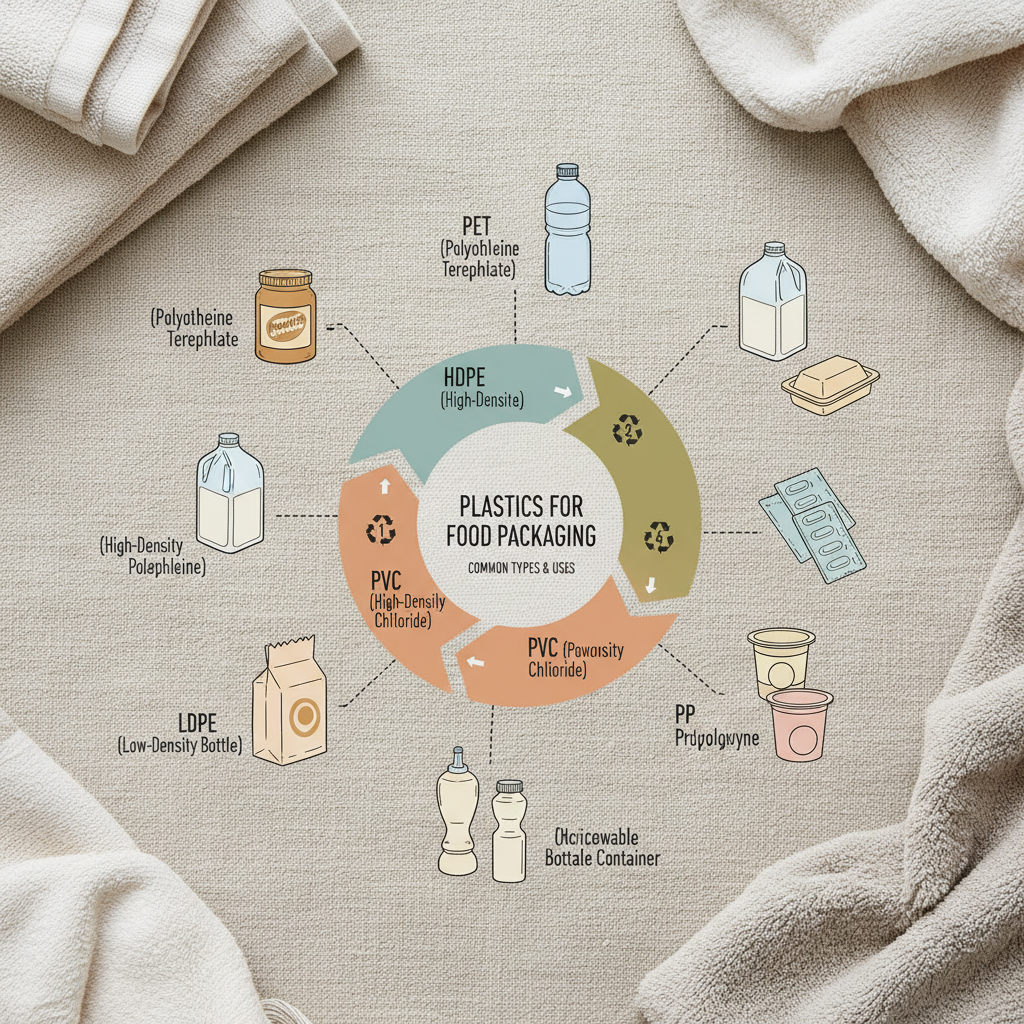
PET (Polyethylene Terephthalate): The Versatile Choice
PET is one of the most widely used plastics for food packaging, known for its strength, clarity, and lightweight nature. It's commonly used for bottles (water, soda, juices), jars, and trays. PET is recyclable, contributing to sustainability efforts. However, it's not ideal for storing hot foods or liquids as it can leach chemicals at high temperatures. Its excellent barrier properties protect food from oxygen and moisture, preserving freshness. Many food producers rely on PET packaging solutions for their product lines.
Key Highlights: Strong, clear, lightweight, recyclable, good barrier properties.
HDPE (High-Density Polyethylene): Durable and Chemical Resistant
HDPE is a rigid plastic valued for its high strength-to-density ratio and excellent resistance to chemicals. It's frequently used for milk jugs, detergent bottles, and some food storage containers. HDPE is also recyclable and considered relatively safe for food contact. It offers good moisture barrier properties but isn’t as transparent as PET. Because of its durability, HDPE packaging is a common choice for goods needing robust protection during transit.
HDPE Benefits:
• High strength and durability
• Excellent chemical resistance
• Recyclable and relatively safe
PP (Polypropylene): Heat Resistance and Flexibility
PP is a versatile plastic known for its high melting point, making it suitable for microwavable containers and hot-fill applications. It's also relatively strong and resistant to fatigue. You'll find PP used in yogurt containers, margarine tubs, and bottle caps. While recyclable, PP recycling rates are lower compared to PET and HDPE. DSL Pack offers custom PP packaging designs to meet specific product requirements.
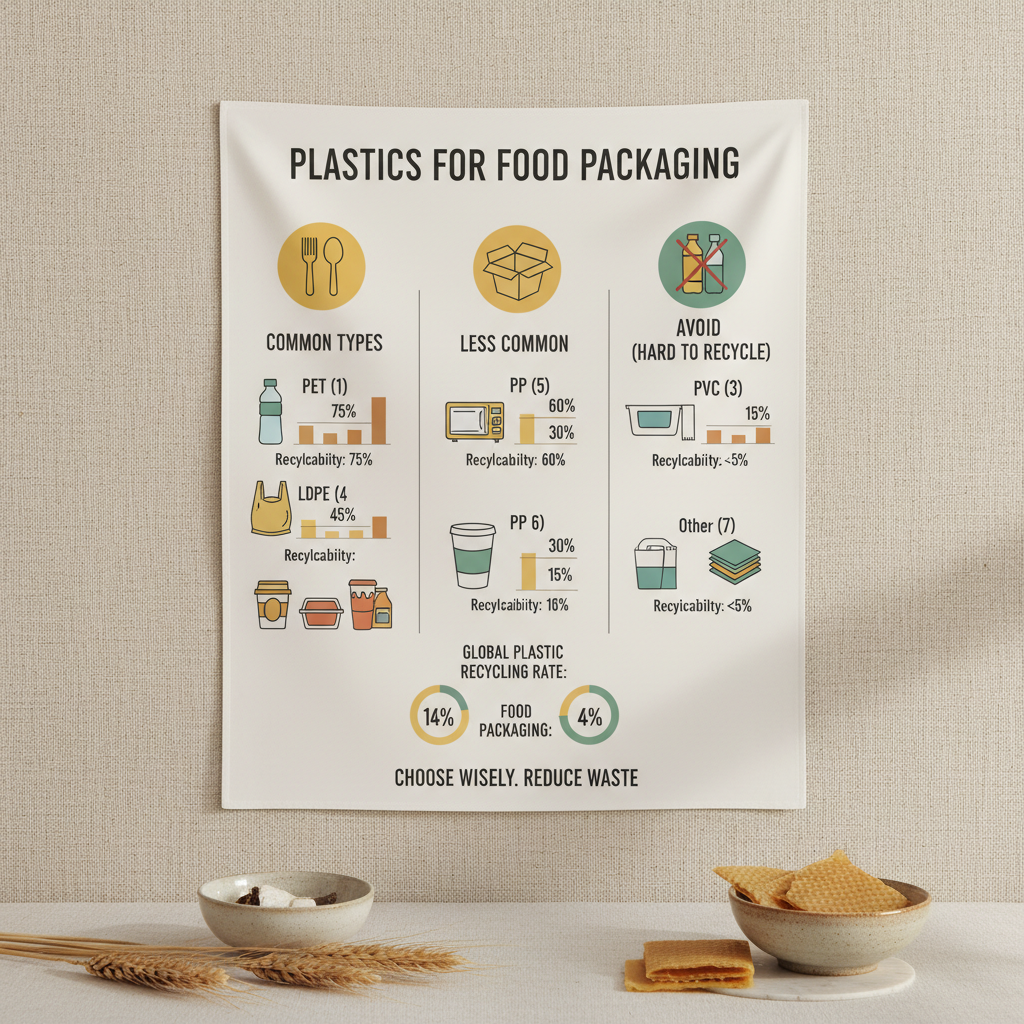
PVC (Polyvinyl Chloride): Specialized Applications
PVC is less common in direct food contact packaging due to potential concerns regarding plasticizers. It’s more often used in cling film and blister packs. PVC offers good clarity and barrier properties but requires careful consideration regarding food safety regulations. It’s generally reserved for specific applications where its unique properties are essential.
PS (Polystyrene): Cost-Effective and Versatile
PS, available in expanded (EPS) and solid forms, is a cost-effective plastic commonly used for disposable cups, plates, and takeaway containers. EPS provides excellent insulation, making it suitable for temperature-sensitive foods. However, PS is notoriously difficult to recycle, contributing to environmental concerns. Alternatives to PS are increasingly favored for sustainability reasons.
The Future of Food Packaging: Sustainability and Innovation
The focus on sustainability is driving innovation in food packaging. Bioplastics, made from renewable resources, are gaining traction. Compostable packaging materials offer an end-of-life solution that minimizes environmental impact. DSL Pack is committed to developing and providing environmentally responsible packaging options. The future of food packaging lies in materials that are both protective and sustainable, ensuring a healthier planet for generations to come.
Conclusion: Choosing the Right Plastic for Your Needs
Selecting the appropriate plastic for food packaging requires careful consideration of factors such as food type, storage conditions, shelf life requirements, and sustainability goals. DSL Pack offers expertise and a diverse range of packaging solutions to meet your specific needs. By prioritizing both product integrity and environmental responsibility, we can create a more sustainable food system.
Frequently Asked Questions (FAQs)
What are the main concerns regarding PVC in food packaging?
The primary concern with PVC lies in the potential leaching of plasticizers, such as phthalates, into the food. These chemicals have been linked to health concerns, leading to stricter regulations regarding PVC's use in direct food contact applications. While PVC offers certain benefits, the potential risks often outweigh them, making it less favored compared to other plastic options. Regulatory bodies continually assess and update guidelines regarding the use of PVC in food packaging.
Are bioplastics a viable alternative to traditional plastics?
Bioplastics, derived from renewable resources like cornstarch or sugarcane, are promising alternatives. They offer a reduced carbon footprint and can be compostable under specific conditions. However, challenges remain, including cost, scalability, and the need for appropriate composting infrastructure. Not all bioplastics are biodegradable, and some require industrial composting facilities. Nevertheless, ongoing research and development are continually improving the viability of bioplastics as a sustainable packaging solution.
How can food manufacturers ensure compliance with food packaging regulations?
Food manufacturers must stay informed about regulations set by organizations like the FDA (Food and Drug Administration) and EFSA (European Food Safety Authority). This involves using packaging materials that have been approved for food contact, conducting migration testing to ensure chemicals don't leach into food, and maintaining proper documentation. Working with reputable packaging suppliers like DSL Pack, who are knowledgeable about compliance requirements, is crucial for ensuring food safety and regulatory adherence.
What factors affect the shelf life of food in plastic packaging?
Several factors impact shelf life, including the type of plastic used, the barrier properties of the packaging, storage temperature, and the food's inherent characteristics. Plastics with higher barrier properties, like PET and HDPE, protect food from oxygen and moisture, extending shelf life. Proper sealing and temperature control are also vital. Modified atmosphere packaging (MAP), which alters the gas composition inside the package, can further enhance preservation.


- No. 6 Hefu Road, Hengjiang Industrial Zone, Gaoming District, Foshan, Guangdong Province,China
- Tel: 86-133 3649 8096
- Email:enid@bc-pak.com
-


