
What is the Best Eco Friendly Packaging for a Sustainable Future
What is the Best Eco Friendly Packaging?
In today’s environmentally conscious world, consumers and businesses alike are seeking sustainable alternatives to traditional packaging. The demand for eco-friendly packaging has skyrocketed, driven by a desire to reduce waste, minimize carbon footprints, and protect our planet. But with so many options available, determining the “best” choice can be daunting. This article will explore various eco-friendly packaging materials, their pros and cons, and help you understand what factors to consider when selecting the most suitable solution for your products. We’ll also highlight how DSL Packaging can help you navigate this landscape.

Understanding the Core Principles of Eco-Friendly Packaging
Eco-friendly packaging isn’t just about using “green” materials; it’s a holistic approach encompassing the entire lifecycle of the packaging. Key principles include minimizing material usage, utilizing renewable resources, ensuring recyclability or compostability, and reducing transportation impacts. A truly sustainable packaging solution considers its carbon footprint from raw material extraction to end-of-life disposal. Factors like sourcing, manufacturing processes, and potential for reuse also play a significant role. At DSL Packaging, we prioritize these principles in our approach to sustainable packaging solutions.
Key Principles: Minimizing material usage, utilizing renewable resources, recyclability/compostability, and reducing transportation impacts.
Popular Eco-Friendly Packaging Materials
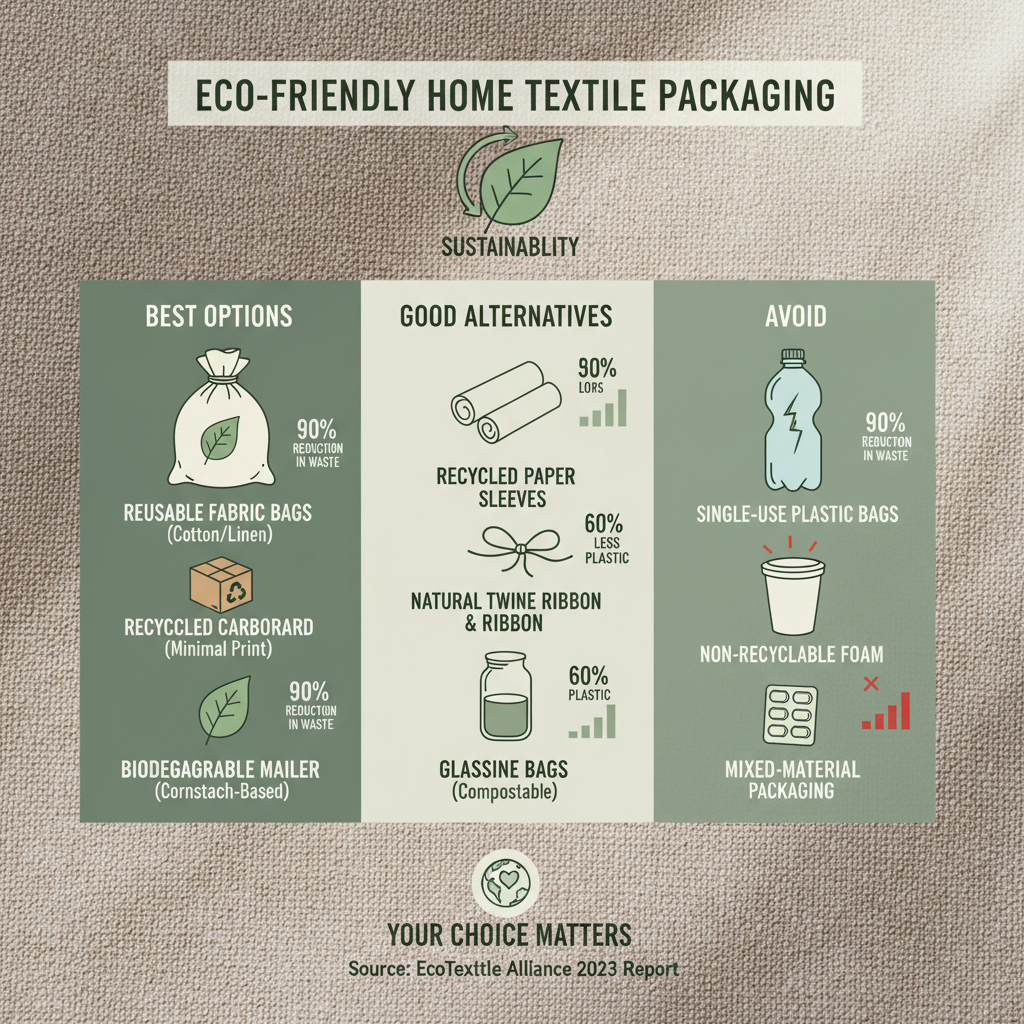
Several materials stand out as excellent eco-friendly packaging options. Here’s a look at some of the most popular:
- Recycled Cardboard & Paper: Highly recyclable and often made from post-consumer waste.
- Mushroom Packaging: Biodegradable packaging grown from mycelium, the root structure of mushrooms.
- Seaweed Packaging: Renewable, compostable, and biodegradable; a promising alternative to plastic.
- Plantable Packaging: Embedded with seeds, allowing the packaging to be planted after use.
- Biodegradable Plastics (PLA): Made from renewable resources like cornstarch, but requires specific composting conditions.
- Recycled Plastics (rPET): Reduces reliance on virgin plastic and supports the circular economy.
A Comparison of Eco-Friendly Packaging Options
Choosing the right material involves considering factors like cost, durability, product compatibility, and end-of-life options. Here's a comparative overview:
The Role of DSL Packaging in Sustainable Solutions
At DSL Packaging, we are committed to helping businesses transition to more sustainable packaging options. We offer a wide range of eco-friendly materials and custom packaging solutions tailored to your specific needs. Our expertise extends from sourcing responsible materials to optimizing packaging designs for minimal waste. We also provide guidance on recyclability and compostability requirements to ensure your packaging aligns with your sustainability goals. We help you choose the best eco friendly packaging for your products.
Future Trends in Eco-Friendly Packaging
The field of eco-friendly packaging is constantly evolving. Expect to see increased innovation in areas like compostable films, bio-based plastics, and reusable packaging systems. Furthermore, advancements in recycling technologies will improve the efficiency and effectiveness of plastic recycling. The focus will also shift towards designing packaging for a circular economy, where materials are continuously reused and repurposed. Staying informed about these trends will be crucial for businesses looking to maintain a competitive edge and demonstrate environmental responsibility.
Conclusion: Embracing Sustainability in Packaging
Choosing the best eco-friendly packaging requires a careful evaluation of your product, your supply chain, and your environmental goals. By prioritizing sustainability, you can reduce your environmental impact, enhance your brand reputation, and meet the growing demands of environmentally conscious consumers. DSL Packaging is your partner in achieving these goals.
Frequently Asked Questions (FAQs)
What is the difference between biodegradable and compostable packaging?
While often used interchangeably, biodegradable and compostable are distinct. Biodegradable means a material can break down naturally over time, but this process can take years and may require specific conditions. Compostable, on the other hand, indicates that the material breaks down into nutrient-rich compost in a specific timeframe (typically 90-180 days) under controlled composting conditions (industrial or home composting). Not all biodegradable materials are compostable, but all compostable materials are biodegradable. Choosing compostable packaging ensures a more predictable and beneficial end-of-life outcome.
Is recycled plastic a truly sustainable option?
Recycled plastic (rPET) is generally more sustainable than virgin plastic because it reduces reliance on fossil fuels and minimizes plastic waste. However, it's not a perfect solution. The recycling process itself requires energy, and plastic can only be recycled a limited number of times before its quality degrades. Additionally, the availability of efficient recycling infrastructure varies significantly. rPET is a good step, but ultimately reducing overall plastic consumption is the most impactful approach.
How can I determine if packaging is truly recyclable in my area?
Recyclability varies significantly depending on your local recycling facilities. Check with your local waste management authority to see what types of plastic, paper, and cardboard they accept. Look for recycling symbols (the chasing arrows) with numbers inside – these indicate the type of plastic, and not all numbers are universally recyclable. When in doubt, it's best to err on the side of caution and choose packaging materials that are widely accepted in your region. DSL Packaging can help you navigate local regulations.
What are the costs associated with switching to eco-friendly packaging?
The cost of eco-friendly packaging can vary depending on the material, quantity, and customization. While some eco-friendly options may be slightly more expensive upfront than traditional packaging, consider the long-term benefits, such as enhanced brand reputation, increased customer loyalty, and potential cost savings from reduced waste disposal fees. Moreover, as demand for sustainable packaging increases, prices are becoming more competitive. DSL Packaging can provide tailored cost estimates and help you find solutions that fit your budget.


- No. 6 Hefu Road, Hengjiang Industrial Zone, Gaoming District, Foshan, Guangdong Province,China
- Tel: 86-133 3649 8096
- Email:enid@bc-pak.com
-


