
What is the Most Sustainable Packaging Material for a Greener Future
What is the Most Sustainable Packaging Material?
In today’s environmentally conscious world, businesses are increasingly seeking sustainable packaging solutions to reduce their carbon footprint and appeal to eco-minded consumers. But with a growing number of options available, the question arises: what is the most sustainable packaging material? This article explores various materials, their environmental impacts, and why choosing the right option is crucial. We’ll delve into the benefits of materials like recycled cardboard, biodegradable plastics, and mushroom packaging, offering a comprehensive overview for businesses looking to make a positive change.

Understanding Sustainable Packaging
Sustainable packaging focuses on minimizing environmental impact throughout its lifecycle – from sourcing raw materials to end-of-life disposal. This includes reducing greenhouse gas emissions, conserving resources, and minimizing waste. It's not just about using "eco-friendly" materials; it’s about a holistic approach. Key factors to consider include the material's origin, production process, recyclability, compostability, and overall carbon footprint. DSL Packaging specializes in delivering customized sustainable solutions, understanding the complex requirements of modern businesses.
Key Considerations: Lifecycle assessment, source of materials, end-of-life options (recycling, composting, reuse), carbon footprint, and resource conservation.
Recycled Cardboard: A Champion of Sustainability
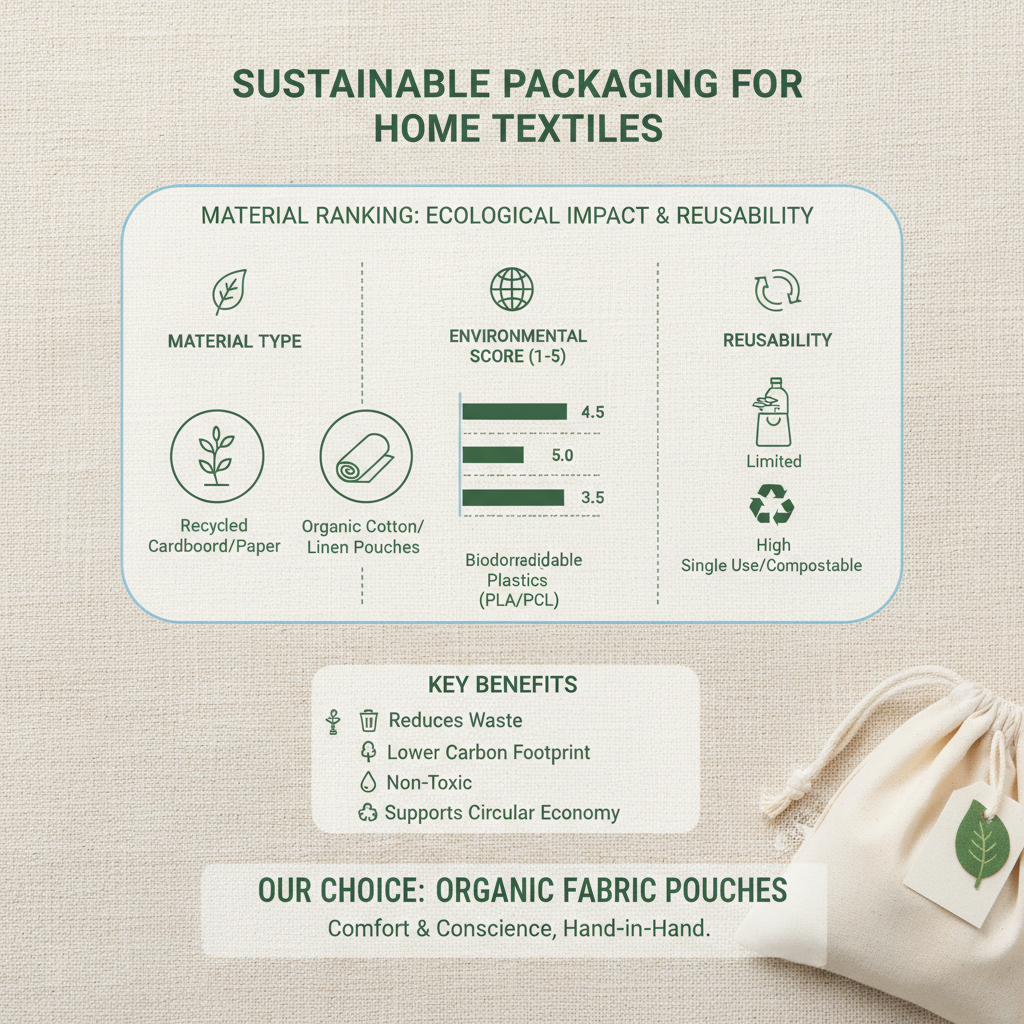
Recycled cardboard consistently ranks high as one of the most sustainable packaging materials. It’s made from post-consumer waste, reducing the need for virgin wood pulp, and is widely recyclable. The recycling process for cardboard also requires less energy than producing it from raw materials. Moreover, cardboard is biodegradable, breaking down naturally in landfills. Its versatility allows it to be used for a wide range of products, from shipping boxes to product packaging. DSL Packaging offers a diverse range of recycled cardboard solutions tailored to specific product needs.
Benefits of Recycled Cardboard:
• Reduces deforestation
• Lower energy consumption in production
• Biodegradable and compostable
• Widely recyclable
Comparing Sustainable Packaging Materials
Different materials offer varying degrees of sustainability. Here’s a comparison of common options, highlighting their strengths and weaknesses:
Emerging Sustainable Packaging Solutions
Beyond established options, innovative materials are gaining traction. Mushroom packaging, grown from mycelium, offers a completely biodegradable and compostable alternative. Seaweed-based packaging is another promising area, providing a renewable and rapidly renewable resource. These emerging technologies are still developing, but they represent a significant step towards a truly circular economy in packaging. DSL Packaging is dedicated to staying at the forefront of these innovations, offering our clients access to the latest sustainable solutions.
Choosing the Right Sustainable Packaging for Your Business
Ultimately, the “most” sustainable packaging material depends on your specific needs, product characteristics, and logistical considerations. Factors to assess include product weight, fragility, shipping distance, and end-of-life infrastructure in your target markets. A thorough lifecycle assessment is highly recommended. DSL Packaging offers expert consultation to help you navigate these complexities and select the optimal sustainable packaging solution for your business.
Conclusion: A Commitment to a Sustainable Future
Choosing sustainable packaging isn't just an environmental responsibility; it's a smart business decision. Consumers are increasingly demanding eco-friendly products, and companies that prioritize sustainability are gaining a competitive edge. By embracing materials like recycled cardboard, exploring innovative options, and partnering with experts like DSL Packaging, businesses can contribute to a more sustainable future and build a stronger brand reputation.
Frequently Asked Questions (FAQs)
What are the biggest challenges in adopting sustainable packaging?
One of the primary challenges is cost. Sustainable materials can sometimes be more expensive than traditional plastics or packaging. Another challenge is infrastructure. Widespread recycling and composting facilities aren’t available everywhere, limiting the effectiveness of certain materials. Finding materials that provide adequate protection for your products is also crucial. Finally, consumer education plays a key role. Consumers need to understand how to properly dispose of sustainable packaging to maximize its environmental benefits. DSL Packaging can help overcome these challenges by providing cost-effective solutions, guidance on material selection, and support for sustainable packaging implementation.
How can I determine the carbon footprint of different packaging options?
Conducting a lifecycle assessment (LCA) is the most comprehensive way to determine the carbon footprint of packaging. An LCA analyzes the environmental impacts associated with all stages of a product's life, from raw material extraction to disposal. Several online tools and consulting services can assist with LCAs. Factors to consider include the energy used in production, transportation emissions, and the end-of-life fate of the packaging. DSL Packaging can provide insights and data to help you assess the environmental impact of different packaging choices.
What is the difference between biodegradable and compostable packaging?
Biodegradable materials break down naturally over time through the action of microorganisms, but this process can take months or even years, and often requires specific conditions. Compostable materials, on the other hand, break down into nutrient-rich compost within a shorter timeframe and under specific composting conditions (either home composting or industrial composting). Not all biodegradable materials are compostable. Industrial composting requires higher temperatures and controlled environments. Choosing compostable packaging ensures it will break down effectively in designated composting facilities.
How can I encourage my customers to recycle or compost my packaging?
Clear and concise labeling is key. Include recycling or composting symbols and instructions on your packaging. Educate your customers through your website, social media, and marketing materials about your sustainable packaging initiatives and how they can participate. Consider offering incentives, such as discounts for customers who return packaging for reuse or recycling. Partnering with local recycling and composting facilities can also help raise awareness and improve infrastructure.



- No. 6 Hefu Road, Hengjiang Industrial Zone, Gaoming District, Foshan, Guangdong Province,China
- Tel: 86-133 3649 8096
- Email:enid@bc-pak.com
-


